
I woke up early that morning, well before the city outside my hotel window had properly gotten going. Istanbul had a way of doing that to me — some cities let you sleep in, this one didn’t. There was simply too much waiting to be discovered, and I had planned a genuinely full day for myself: the Grand Bazaar, the New Mosque, and whatever else the city decided to throw my way once I stepped outside. So I got up, went down for breakfast, and tried to eat with at least a little bit of intention, because I had a feeling I’d be on my feet for most of the day.
A Slow Start Before the Storm
Breakfast was quiet. The hotel restaurant hadn’t filled up yet, and I took my time with the eggs, the olives, the bread, the little bowls of things I still didn’t have names for but had come to enjoy anyway over the past few days in Turkey. It’s strange how quickly a hotel breakfast room can start to feel familiar, almost like a small ritual before the actual adventure begins. I wasn’t in a rush. I knew that once I stepped out into Istanbul’s streets, the pace of the day would pick up fast, so I let myself have these last calm minutes.
Once I was fed and caffeinated enough to face the city, I called an Uber and had it take me straight into the historic center. Riding through Istanbul in a car always gives you this strange in-between feeling — you catch glimpses of minarets and centuries-old walls flashing past modern traffic lights and delivery vans, two completely different timelines running side by side. My first real destination for the day was one I’d been looking forward to since planning this leg of the trip: the Grand Bazaar.
Losing Myself in the Grand Bazaar
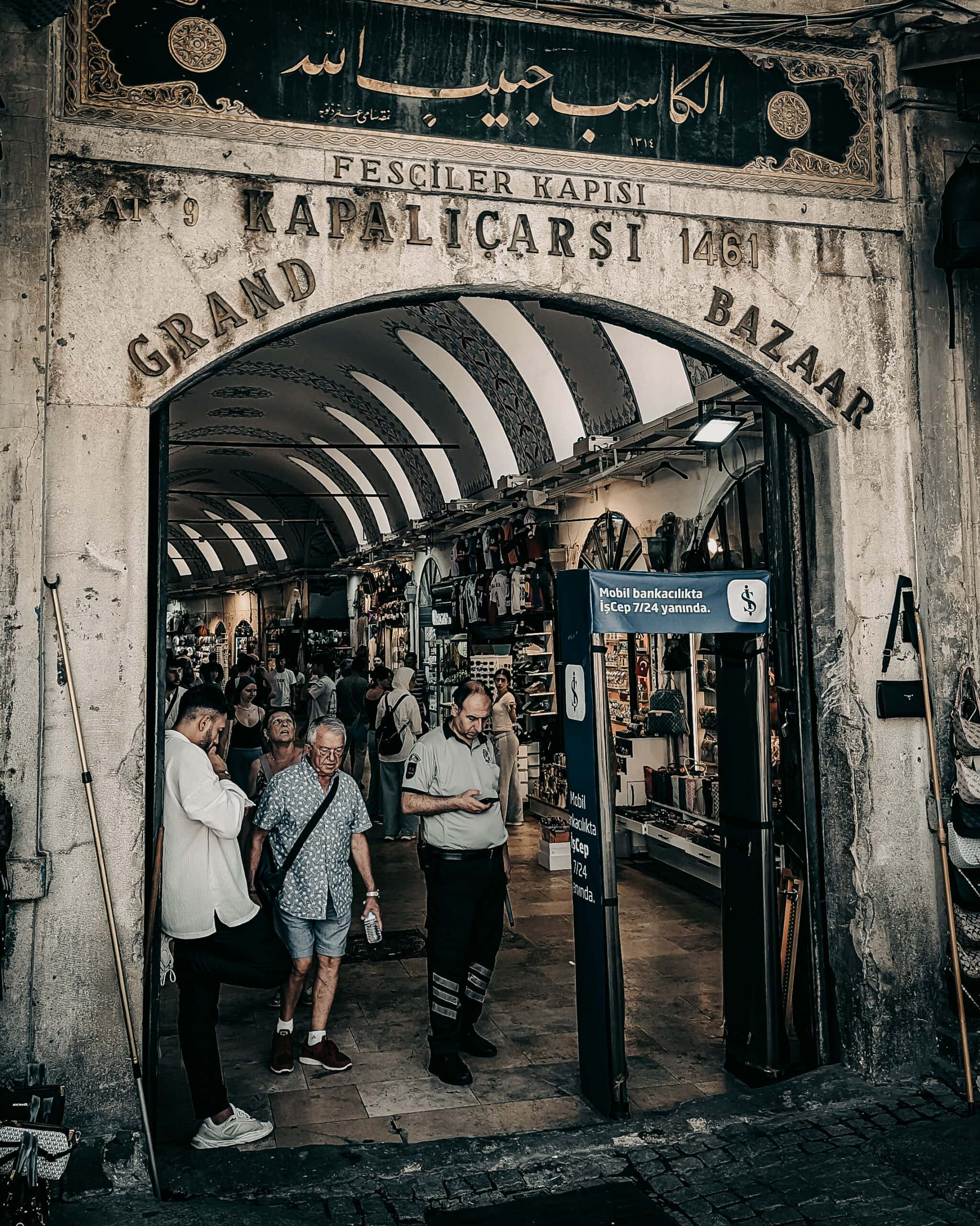
Nothing quite prepares you for walking through that arched stone gateway for the first time. Above the entrance, carved into the old stone, the words “Kapalıçarşı” and “Grand Bazaar” sit next to each other, a reminder that this place has been known by different names to different people for centuries, and yet somehow it’s still exactly where it’s always been, still doing exactly what it’s always done. I stepped through, and the noise of the street outside disappeared almost instantly, replaced by the low hum of a thousand different conversations, footsteps on worn stone, and shopkeepers calling out in three or four languages at once.
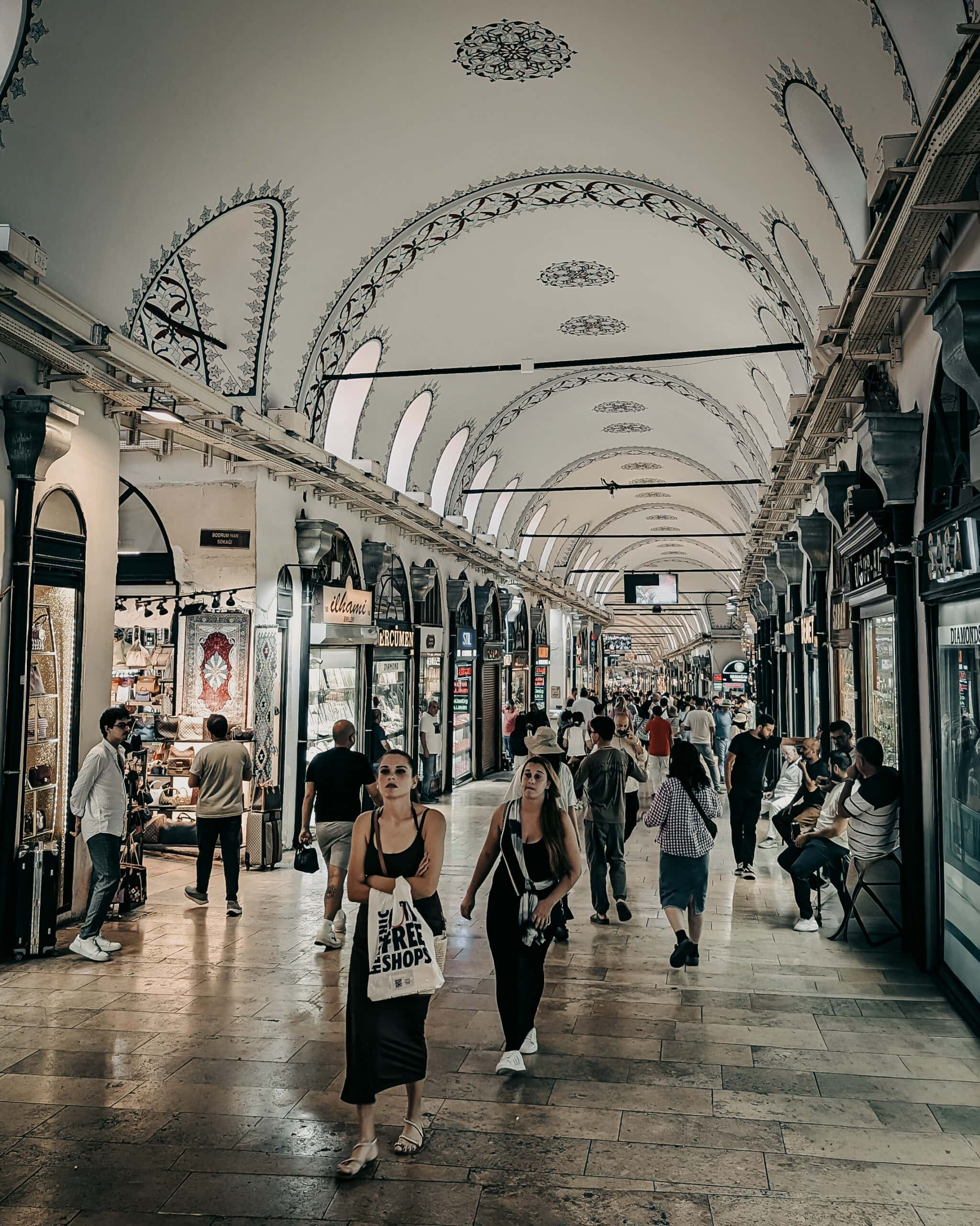
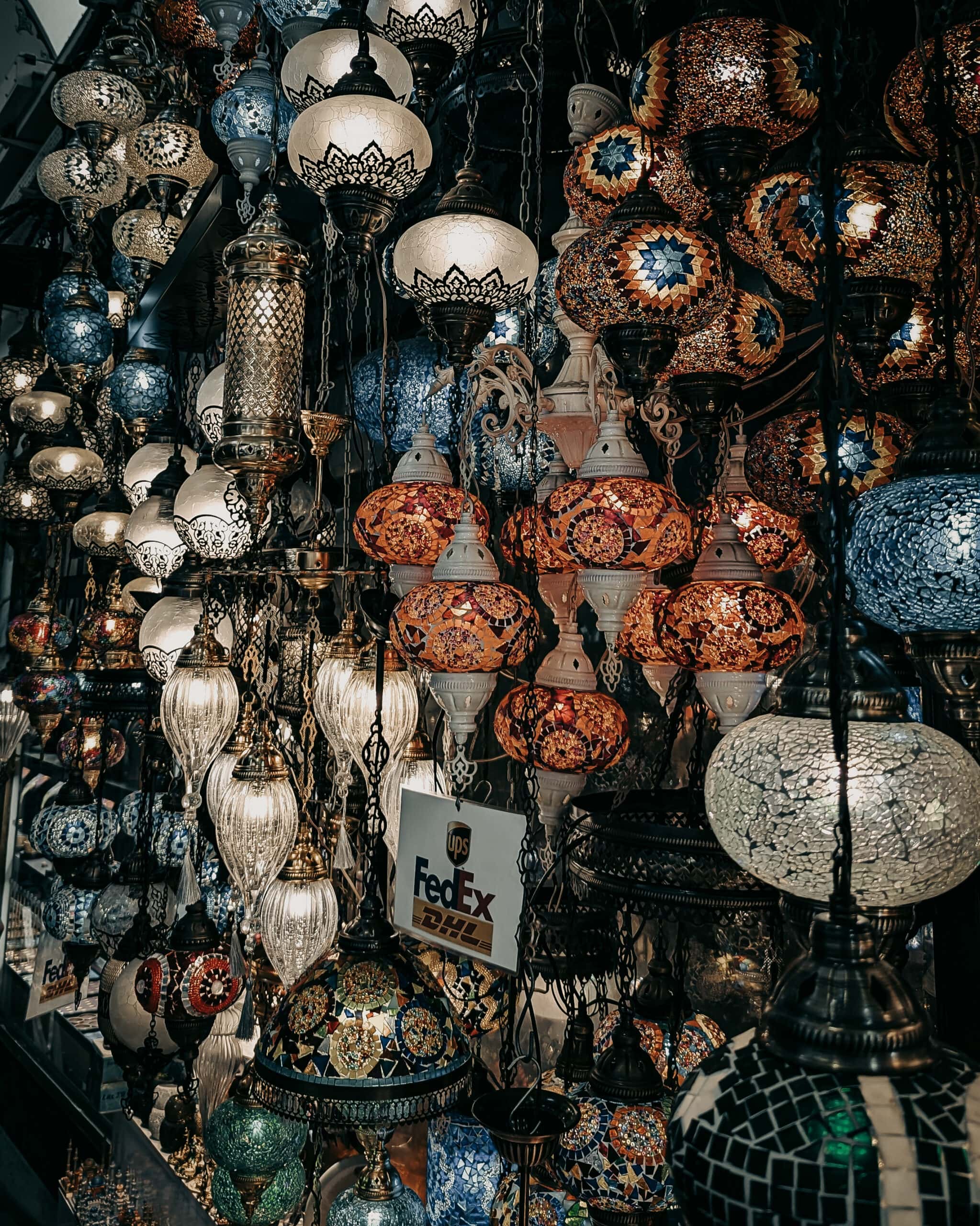
I didn’t have a plan once I was inside, and honestly, I don’t think a plan would have helped much anyway. The Grand Bazaar isn’t really built for plans — it’s built for wandering. I let myself drift through the covered lanes, past stalls overflowing with gold jewelry, hand-painted ceramics, leather bags, and rows of evil-eye charms in every size imaginable. At one point I found myself standing beneath a ceiling absolutely dripping with lamps — dozens and dozens of mosaic glass globes in blue, amber, and gold, all hanging together in a dense, glowing cluster. It’s one of those sights that photographs can’t really do justice to, because so much of the effect comes from standing directly underneath it, looking straight up, and feeling genuinely small next to something so intricate and so old.
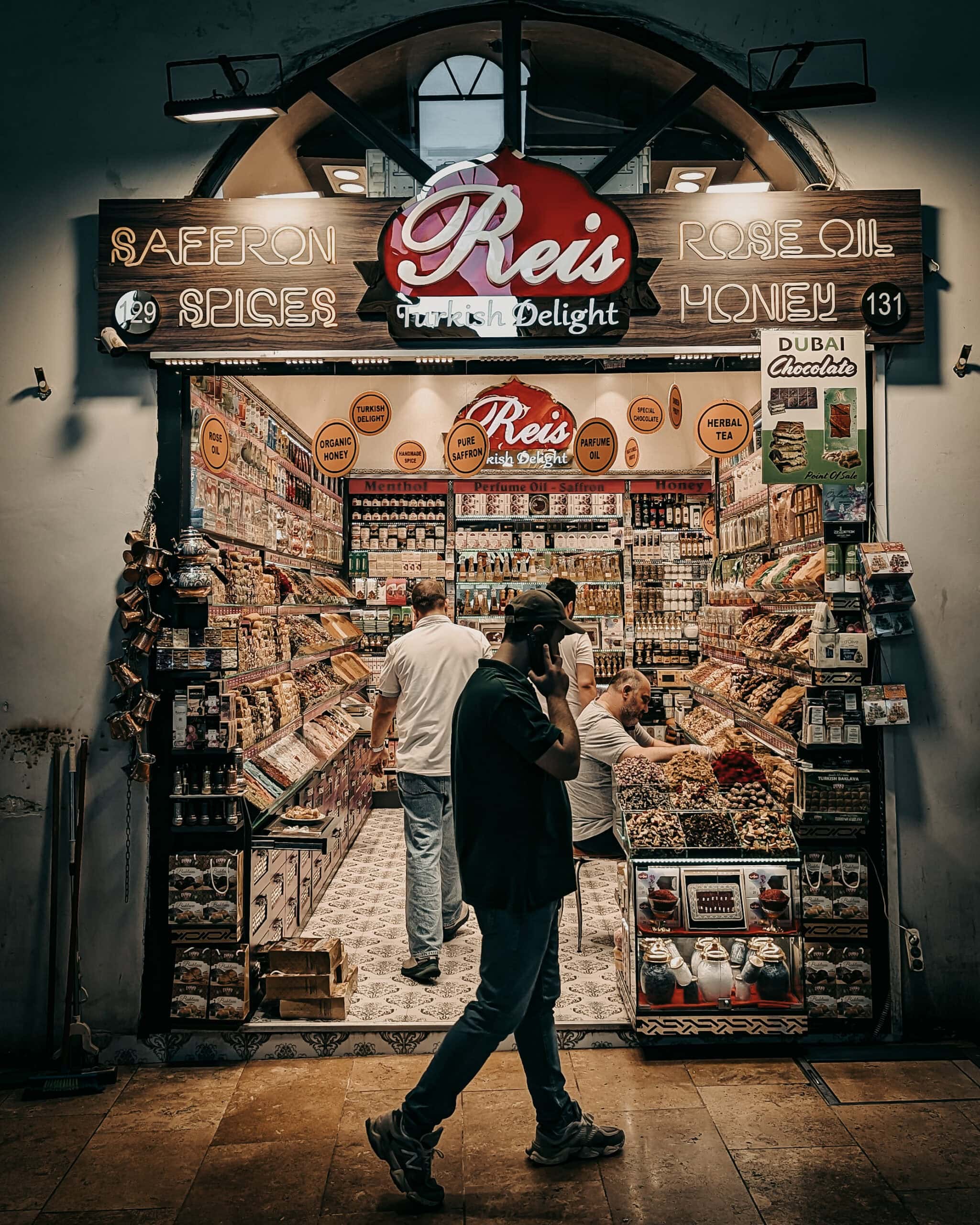
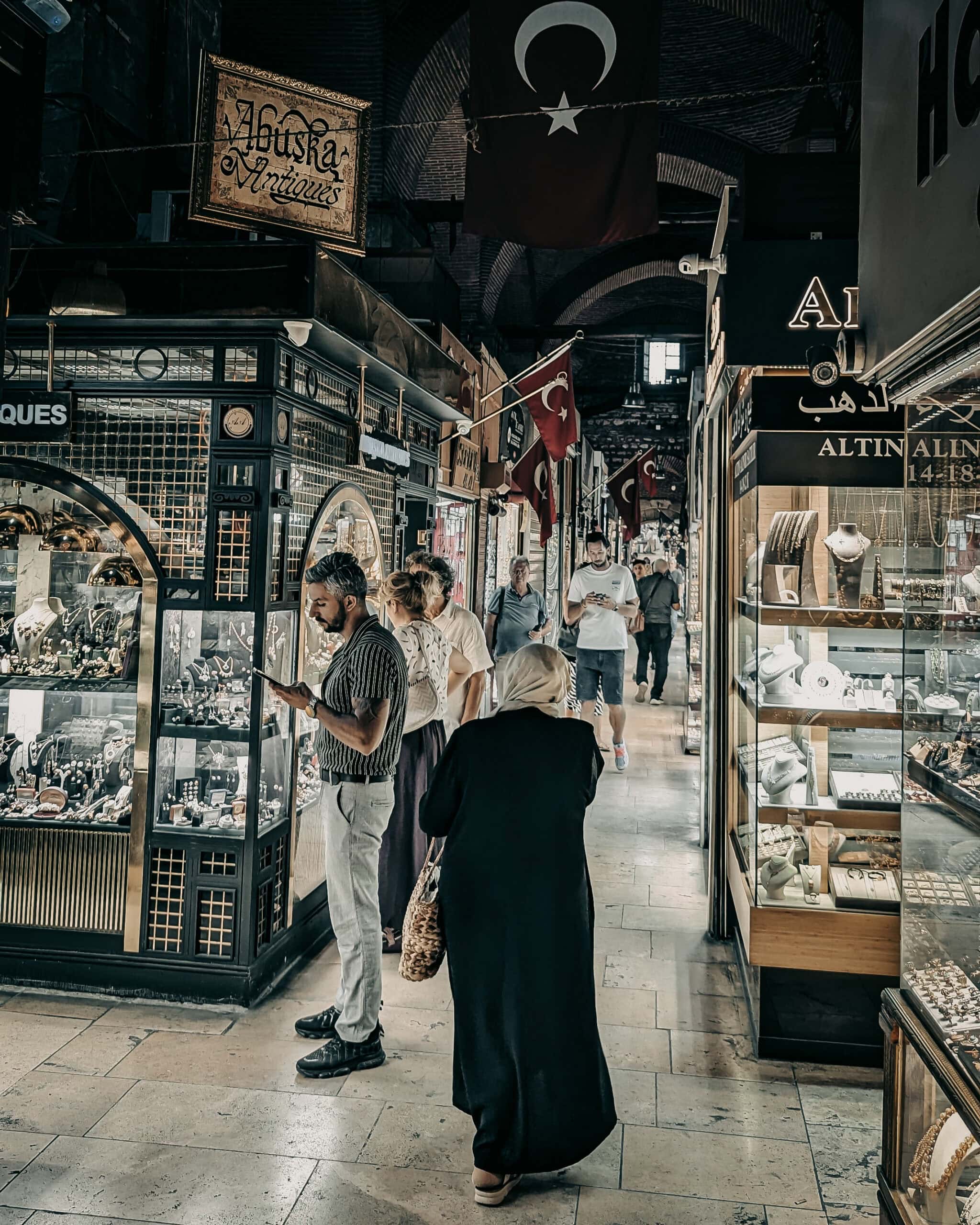
What struck me most, walking those endless vaulted corridors, wasn’t just the sheer size of the place, or how impressively big everything felt — though it absolutely was impressive. It was the age of it. Knowing that merchants have been selling spices and silk and silverware under these same arched ceilings for close to six hundred years puts a different weight on every step you take. The stone underfoot is worn smooth in places from all that foot traffic, generation after generation of buyers and sellers moving through the same narrow lanes. I passed jewelry stores with gleaming glass cabinets, small antique shops crammed with dusty treasures, and spice stalls advertising saffron, rose oil, and Turkish delight in hand-painted signage that looked like it belonged more in a museum than a shopping mall — except here, it was still very much in daily use.
A Quiet Corner and a Very Good Coffee
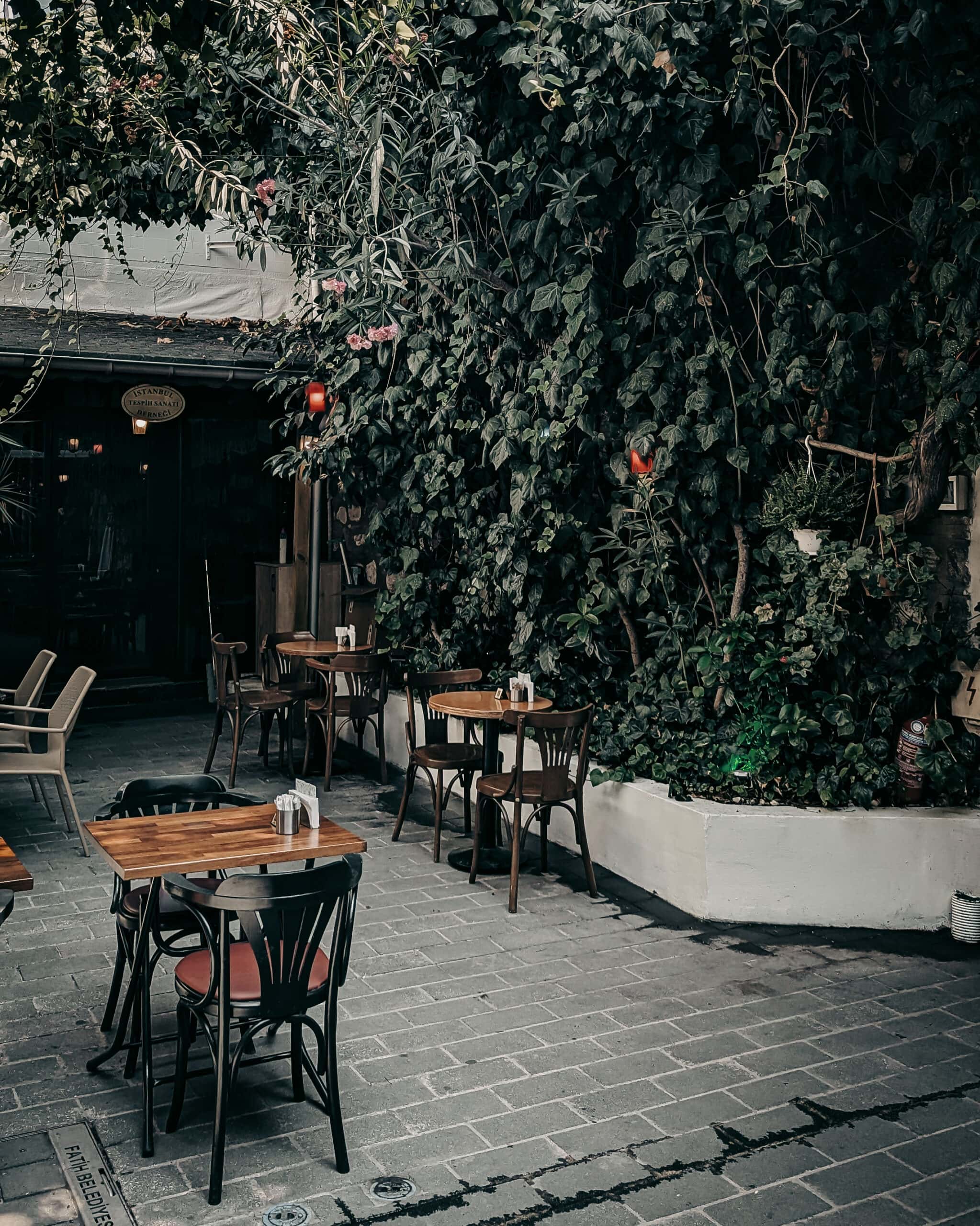
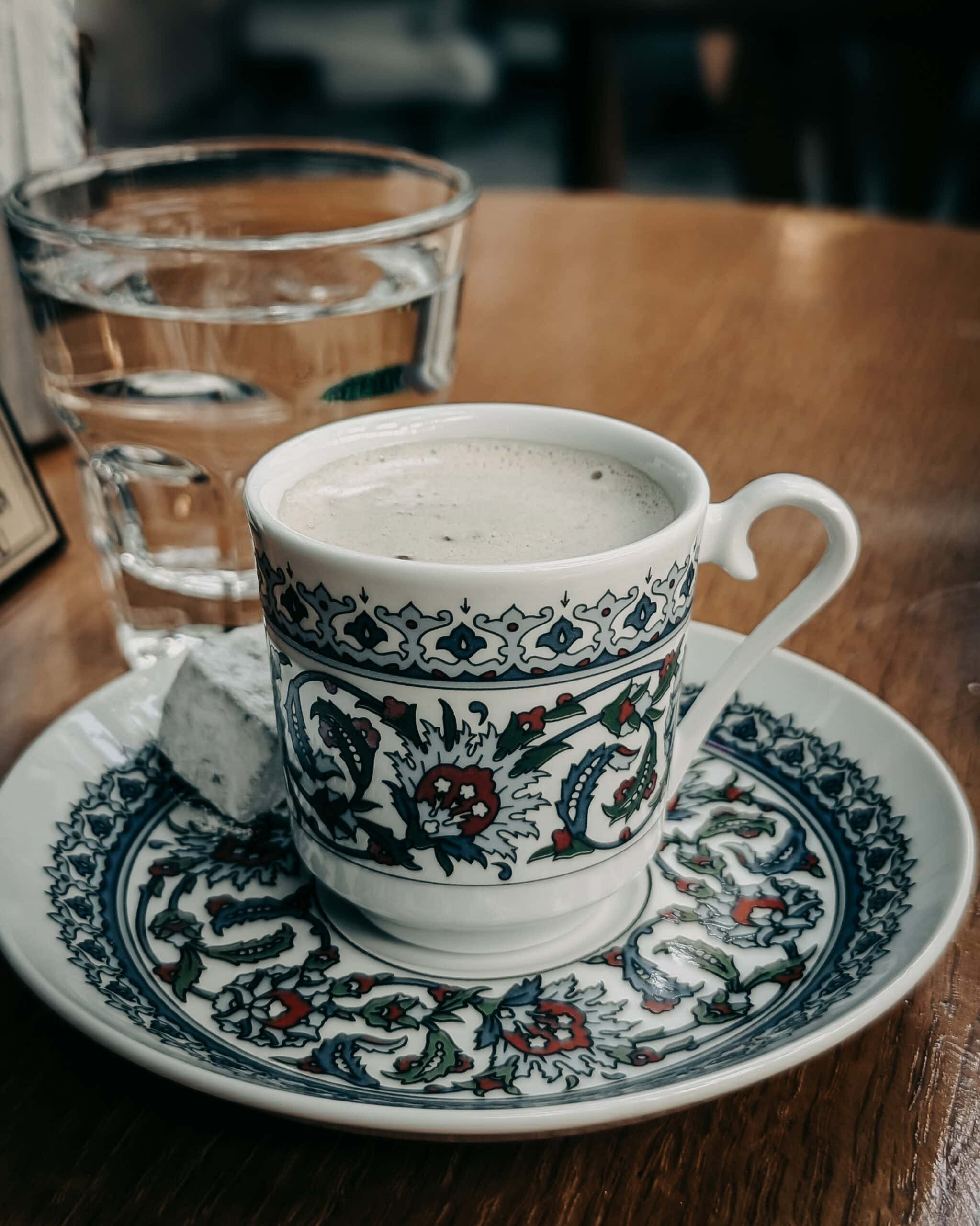
After probably an hour or more of just letting myself get pulled along by the crowd, I found something I hadn’t expected: a small, quiet café tucked into an out-of-the-way corner of the bazaar, almost like a tiny island in the middle of all that noise and motion. It had a bit of open sky above it, an unusual thing inside such a densely covered market, and just a handful of little tables. I sat down and ordered what might be one of the most satisfying cups of coffee I’ve had on this entire trip — a proper Turkish coffee, thick and dark, served in a small ornate cup with a piece of Turkish delight on the side and a glass of water to cut through the intensity.
There’s something almost meditative about drinking Turkish coffee properly — you’re not meant to rush it. You let it sit for a moment, let the grounds settle, and sip slowly rather than gulping it down the way I might with a regular espresso back home. Sitting there, surrounded by the muffled sounds of the bazaar just beyond the little alcove, watching the light shift slightly through that patch of open sky above me, was one of those small, unplanned moments that ends up sticking with you far longer than some of the “bigger” sights of a trip. Sometimes the best part of traveling isn’t the landmark itself — it’s the five quiet minutes you steal for yourself somewhere in between.
Heading North, Toward the New Mosque
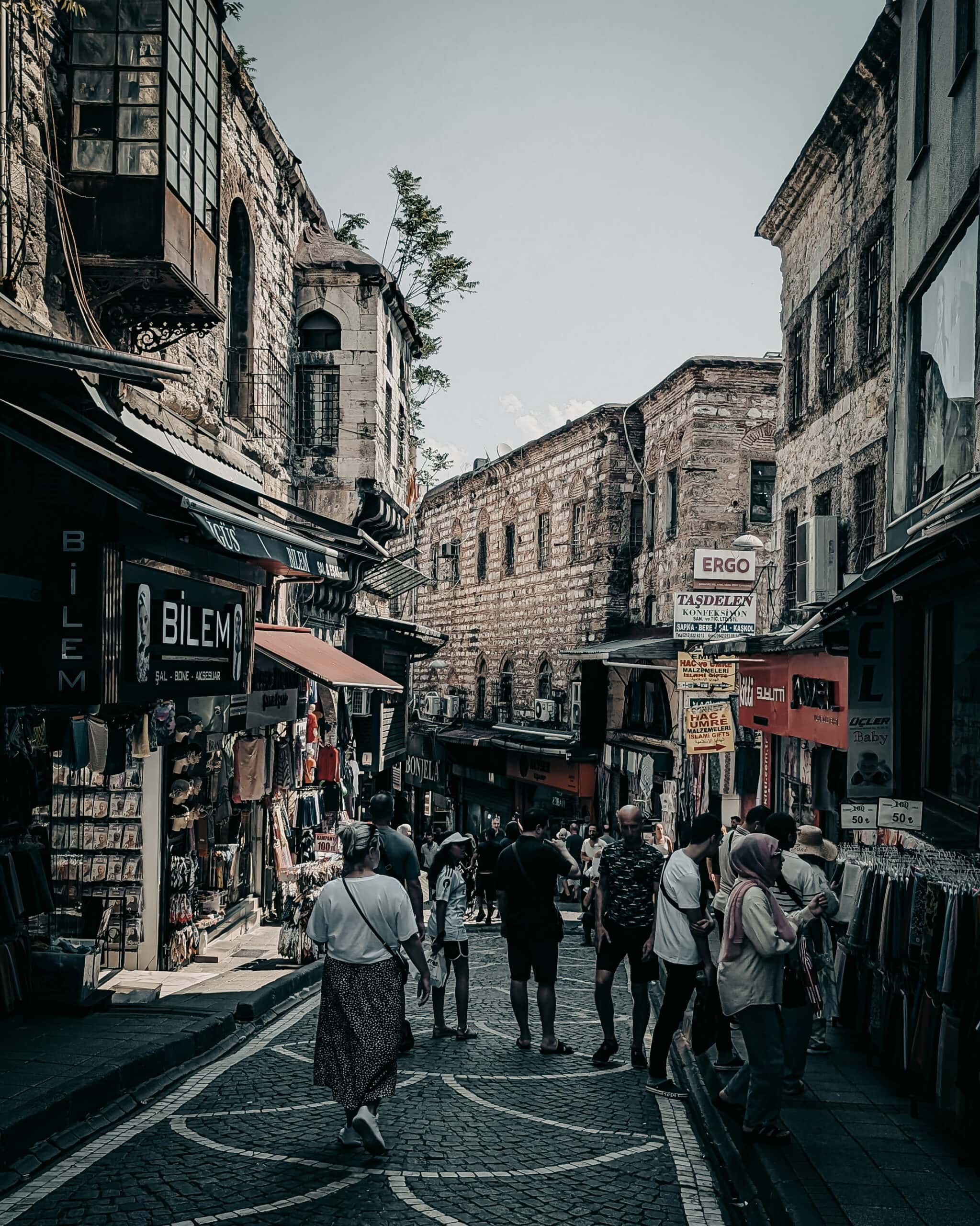
Eventually I made my way back into the flow of the bazaar and exited on its northern side, letting my feet decide the direction rather than any map. I wasn’t in a hurry, and I think that’s exactly the right way to explore this part of Istanbul — there’s always something worth noticing if you’re not rushing toward a specific pin on a map. I let myself get a little bit lost, wandering through side streets lined with shops selling everything from football jerseys to hijabs to knock-off sneakers, weaving between locals doing their actual daily shopping and tourists doing exactly what I was doing.
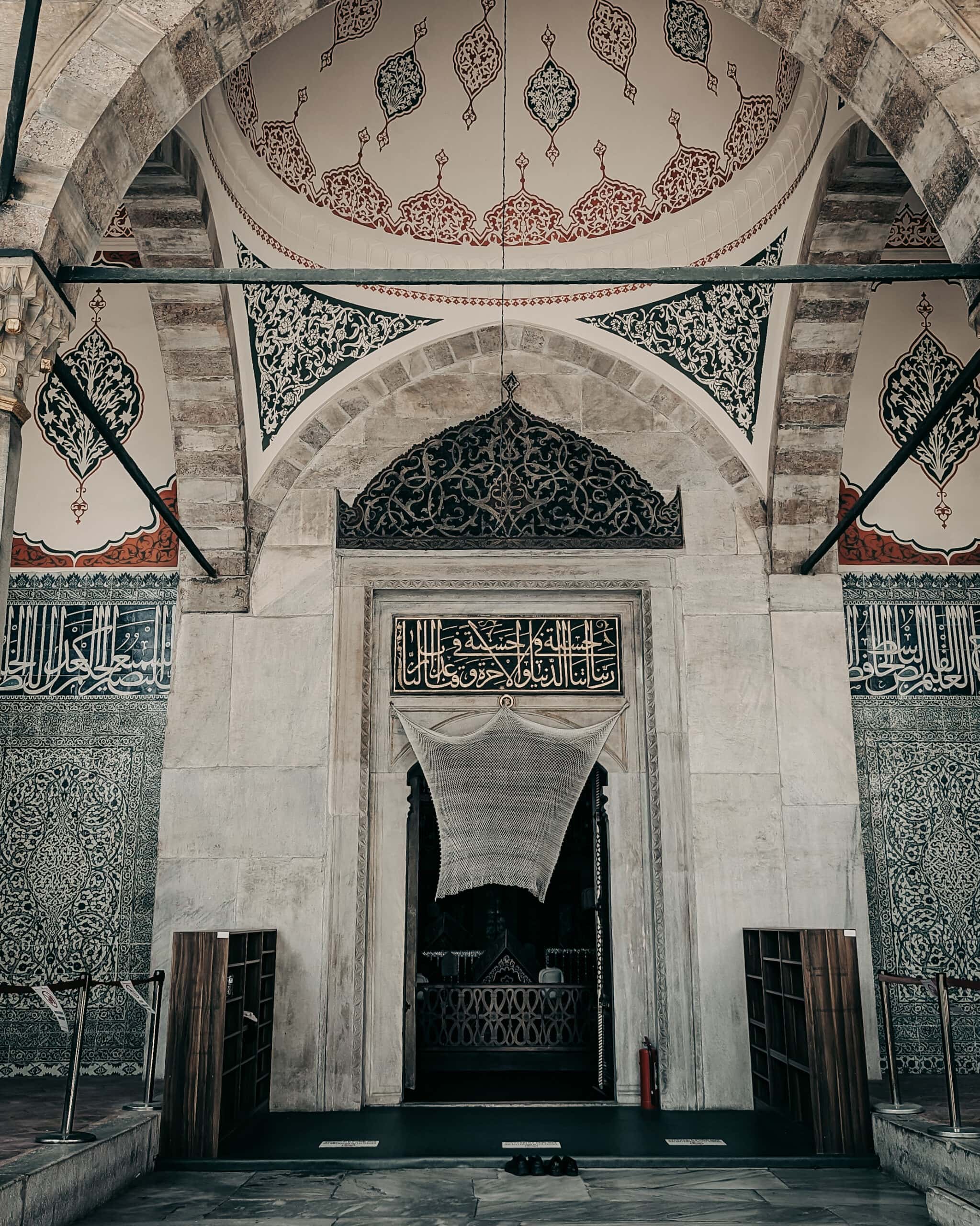
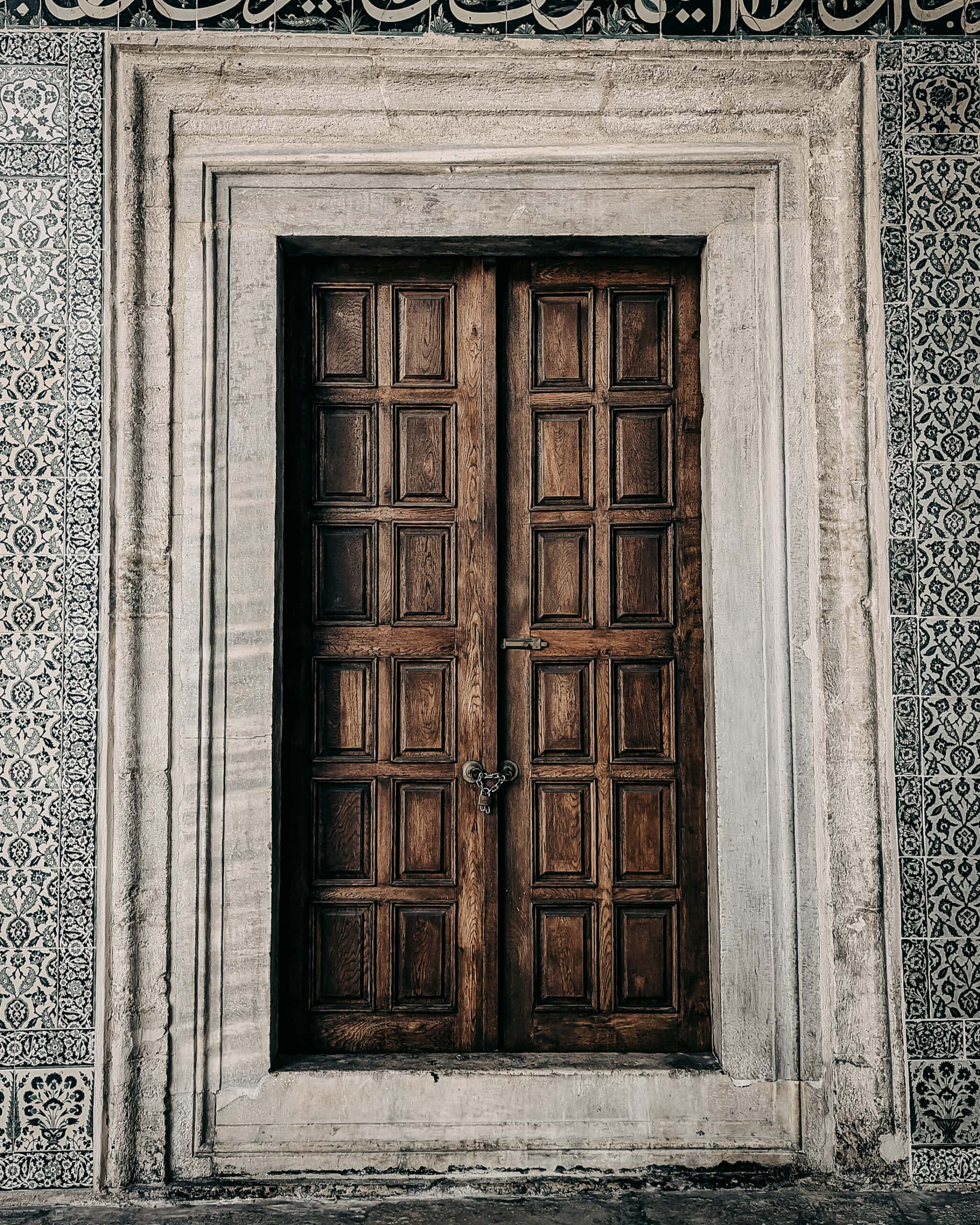
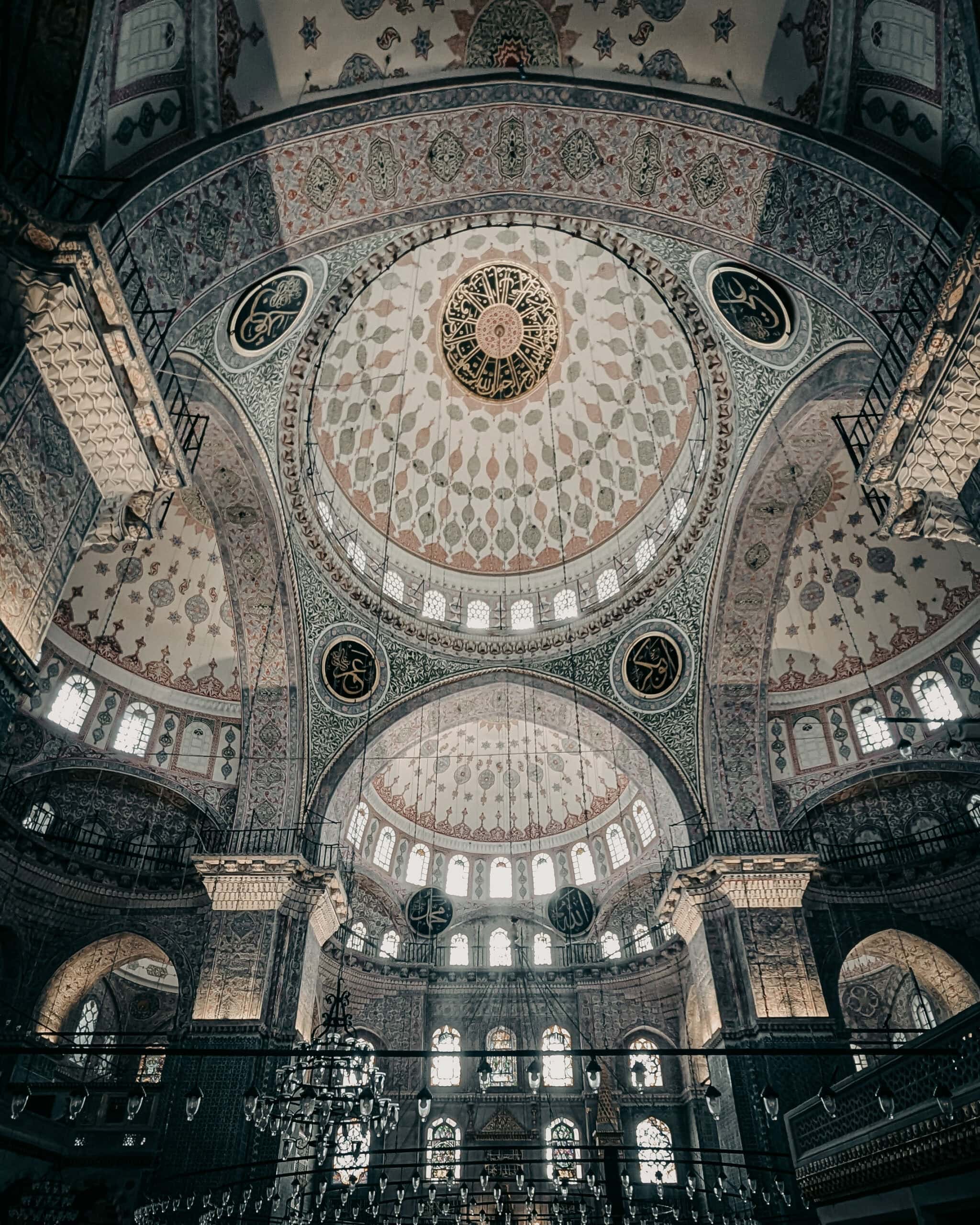
My loose, half-formed destination was the Yeni Cami, the New Mosque, which despite its name has been standing for centuries. I hadn’t necessarily planned on going inside — mosques weren’t originally on my must-see list for the day, mostly because I wasn’t sure what the etiquette or the logistics would even look like for a visitor like me. But as I approached, I noticed there was someone stationed near the entrance actively inviting tourists to come in and take a look. I asked if it was really okay for me to enter, and the answer was a simple yes — I just needed to take my shoes off first, which felt like such a small and reasonable request for the privilege of stepping inside a building like that.
Inside the New Mosque
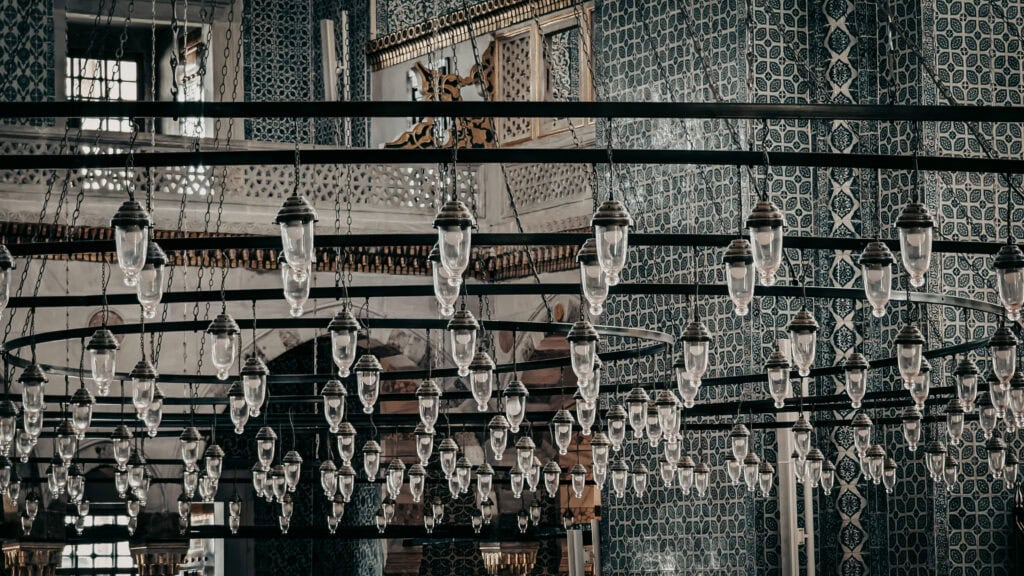
Walking in barefoot, onto the soft, patterned carpet, was its own kind of experience. It was the first time I had ever set foot inside a mosque, and I genuinely didn’t know quite what to expect. What hit me immediately was the scale of it — the domes stacked one inside another, painted ceilings covered in intricate geometric patterns and calligraphy in deep reds, blues, and gold, with light pouring in through dozens of small arched windows ringing the base of the central dome. Chandeliers hung low over the open floor, strung with rows of small glass globes, an unusual design that somehow makes the whole space feel more intimate despite its enormous size.
There was a clearly marked boundary inside for visitors — a line you weren’t meant to cross, past which only people there to actually pray were allowed to go. I stayed respectfully on my side, taking a few photos of the extraordinary ceiling and the carved wooden doorway leading further inside, careful not to be one of those tourists who forgets where they are. And then something happened that I genuinely didn’t expect: one of the men praying on the other side of that boundary waved me over and invited me to come across, to step onto the side reserved for worshippers, so I could get a closer look and take a few photos from there too.
It was such a small gesture, and yet it meant a lot to me in that moment. A complete stranger, in the middle of his own prayers, taking the time to notice a visitor and extend that kind of hospitality — no expectation of anything in return, just pure generosity. I quietly thanked him, took a couple of photos of the mihrab and the ornate doorway up close, careful to be respectful of the space and the people actually there for prayer, and then stepped back to let him return to what he’d been doing. Walking back out into the sunlight afterward, I found myself thinking about how a five-minute interaction like that can end up being one of the most memorable parts of an entire day.
Crossing the Bosphorus to Asia
Coming out of the mosque, still turning that moment over in my head, I decided on something a little spontaneous: I wanted to see the Asian side of Istanbul. Up until this point, everything I’d experienced in the city had been on the European side, and the idea of crossing the Bosphorus just to say I’d stood on a different continent for an afternoon felt like exactly the kind of thing I shouldn’t pass up. I called another taxi and had it take me across.
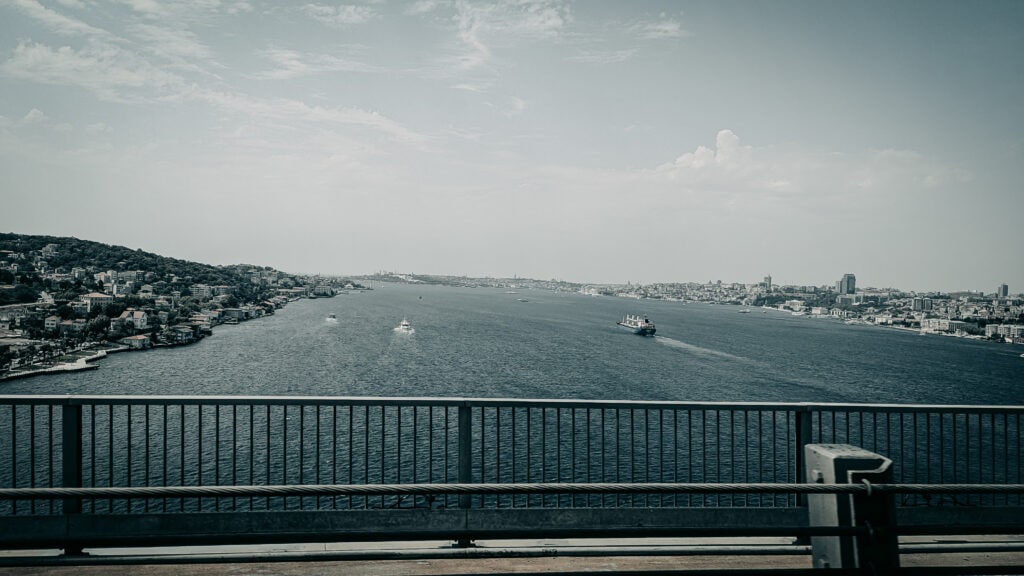
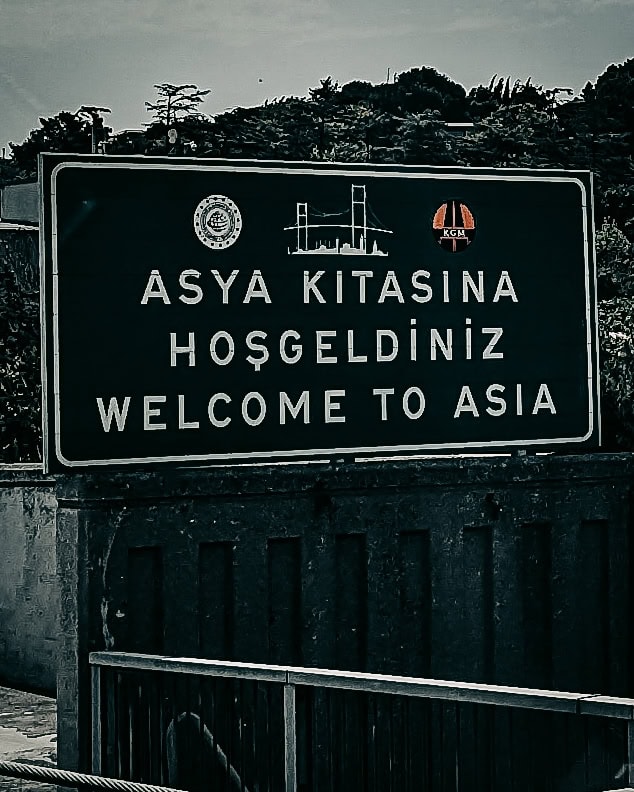
There’s something genuinely surreal about driving across a bridge and, somewhere in the middle of it, officially leaving Europe and entering Asia. Down below, the Bosphorus stretched out in both directions, dotted with ferries and cargo ships slowly working their way between the Black Sea and the Sea of Marmara, hillsides covered in dense clusters of houses and apartment buildings rolling down toward the water on both sides. Near the crossing, a large sign confirmed it in black and white — quite literally welcoming you to Asia. It’s a small thing, a road sign, but there’s something about seeing that specific combination of words that makes the whole journey feel a bit more real, a bit more significant than just another taxi ride through traffic.
Finding My Way Through Kadıköy
On the Asian side, I didn’t have a fixed plan either — by this point in the day I think I’d fully embraced just letting things unfold. Before heading out I’d looked up a few quick recommendations, mostly because I was getting hungry and wanted to make sure I ended up somewhere with genuinely good food rather than the first tourist trap I stumbled across. That search pointed me toward an area with a lively local market, so that’s where I told the taxi to drop me.
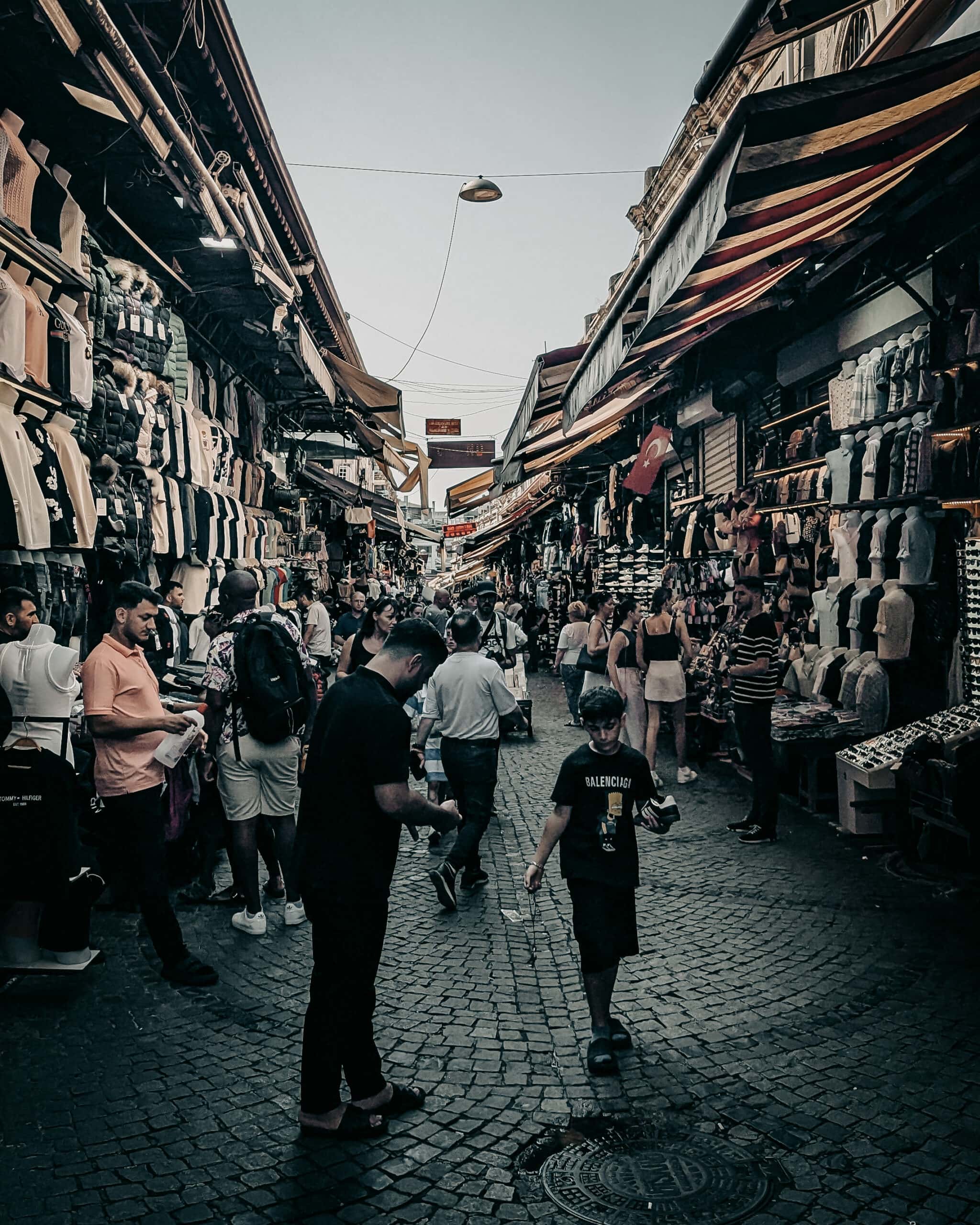
Stepping out of the car in Kadıköy, the difference from the European side was noticeable almost immediately — not dramatically different, but distinctly its own. The architecture felt a bit less grand and monumental, a bit more lived-in and residential. The people around me seemed to be going about ordinary Tuesday errands rather than sightseeing, which honestly made the whole neighborhood feel more genuine, less staged for visitors. I wandered through narrow streets packed with clothing racks spilling out onto the sidewalk, shoe stalls, small electronics shops, and the kind of dense, chaotic energy you only really get in a proper working market.
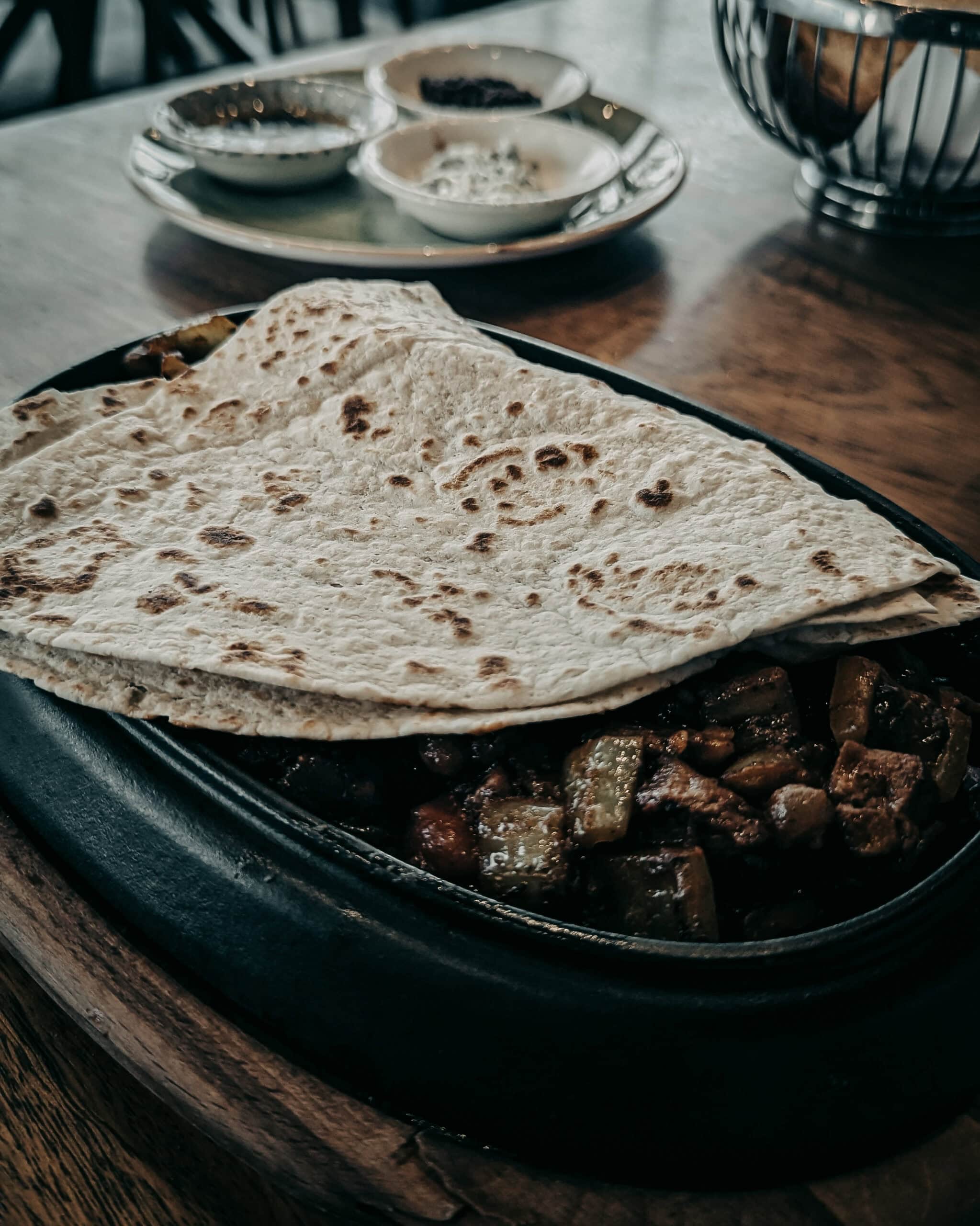
I didn’t have any strict itinerary here, just an open afternoon and a growing appetite, and honestly that was exactly the point — after days of fairly structured touring, having a stretch of the trip with absolutely no schedule felt like its own small luxury. I eventually found a spot to sit down and eat, watching the market continue its rhythm around me, locals haggling over prices, kids weaving between the stalls, the occasional call to prayer drifting faintly over the noise of the street. It was a completely different mood from the historic, monument-heavy side of the city I’d spent the morning in, and I think that contrast is exactly why I’m glad I made the spontaneous decision to cross over.
Back Across the Water, and an Early Night
By late afternoon, with my legs properly tired from a full day of walking, I called a taxi back toward the hotel, retracing that same crossing over the Bosphorus in reverse, watching the light start to shift golden over the water as the car made its way back into Europe. There’s a nice kind of symmetry to a day that starts and ends with that same crossing, bookending everything that happened in between — the bazaar, the coffee, the mosque, the stranger’s small act of kindness, the market on the other side of the strait.
I spent the evening at the hotel rather than heading back out. After a day like that, sitting down for a relaxed dinner without needing to go anywhere else felt like exactly the right way to close things out. I knew the next day was going to demand a fair amount of energy — a long ride ahead toward Greece — and I wanted to make sure I was properly rested and ready for it rather than dragging myself out of bed after a late night. So I let the day wind down quietly, replaying pieces of it in my head: the lamps, the coffee, the ceiling of the mosque, the moment that stranger waved me over, the market noise on the Asian side. Istanbul had given me a lot to think about in a single day, and I was more than happy to let that sink in over a calm evening before getting back on the road.