
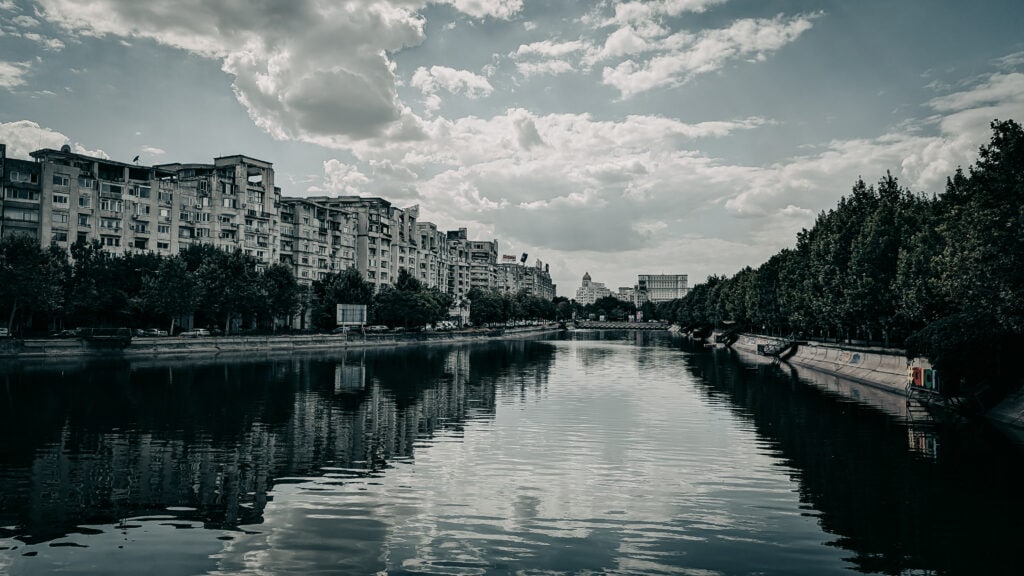
A Slow Goodbye to Bucharest
After nine days on the road, mornings had started to feel routine in the best possible way: coffee, a last check of the panniers, a glance at the map, and the quiet satisfaction of knowing exactly where the day would take me. This particular morning began no differently. Tudor, my host and by now genuine friend from the Triumph service days earlier, dropped by the apartment for one final coffee before I loaded the bike. There was no big farewell speech, just the kind of easy, unforced goodbye you only get with people who’ve actually spent real time with you rather than just being polite hosts. Bucharest had, somewhat unexpectedly, become a place I was sad to leave.
Loading a fully packed Triumph Scrambler 1200X always follows the same small ritual by this point in a trip: soft luggage clipped onto the rear rack first, tank bag last so the essentials stay within reach, helmet checked, gloves on, one final walk around the bike to make sure nothing has worked itself loose overnight. Ten days in, the whole process takes barely five minutes, muscle memory doing most of the work while my mind is already halfway down the road. The city around the apartment was only just waking up — delivery vans idling outside bakeries, the first joggers along the riverbank, that particular grey-gold light Bucharest gets in the early morning before the heat and the traffic properly arrive.
With the panniers strapped down and the tank bag clipped in, I rolled out of the underground garage and pointed the front wheel east. The plan for the day was simple on paper: skip the usual land border crossing into Bulgaria and instead catch one of the ferries across the Danube. Ferries almost always beat border queues on a motorcycle trip through the Balkans, and after the delays of the past few days, saving an hour or two at a crossing sounded like exactly the kind of small win I needed. The morning traffic thinned out as the city gave way to open motorway, and for a little while everything felt like it was finally clicking back into its rhythm.
Warning Lights on the Autobahn
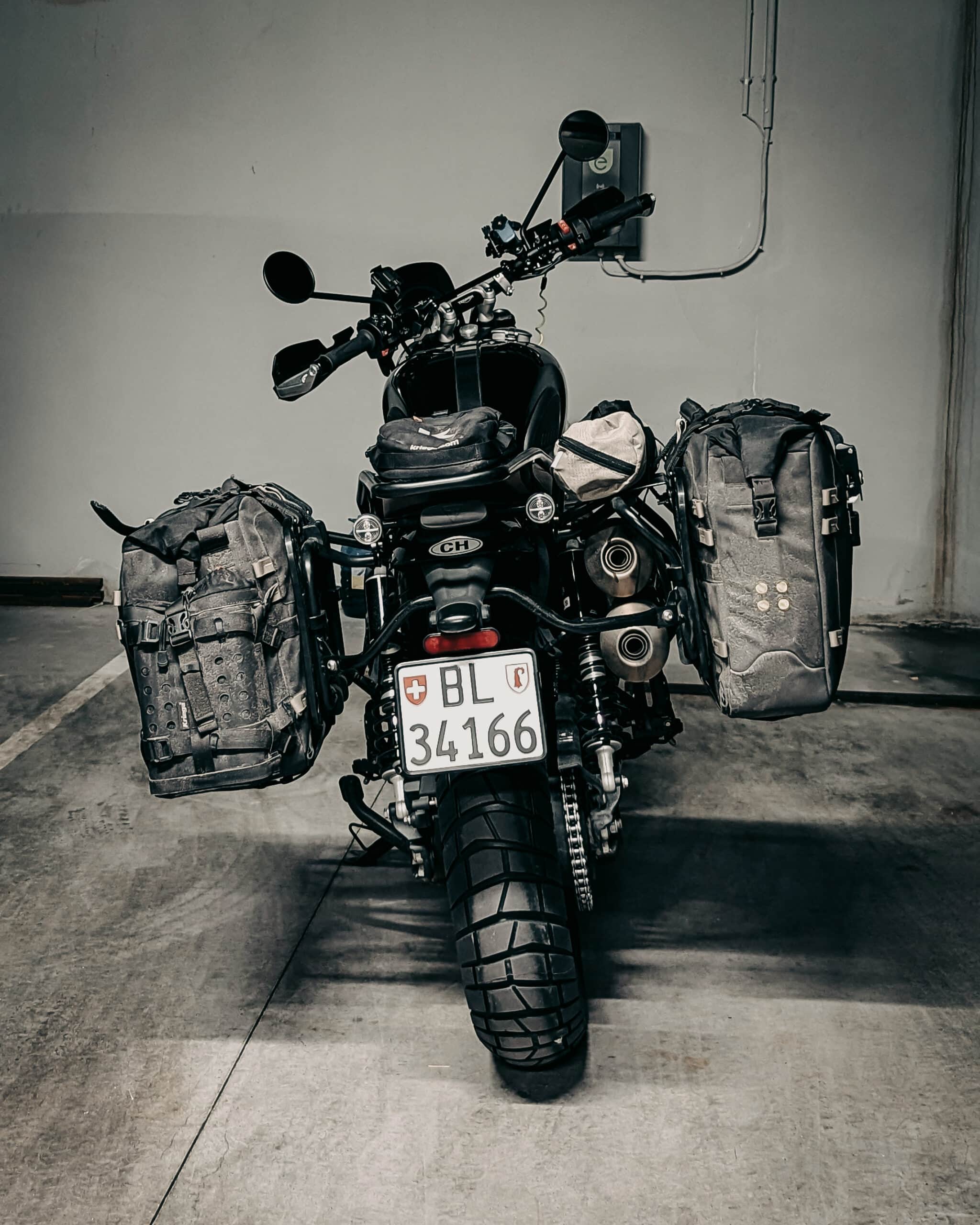
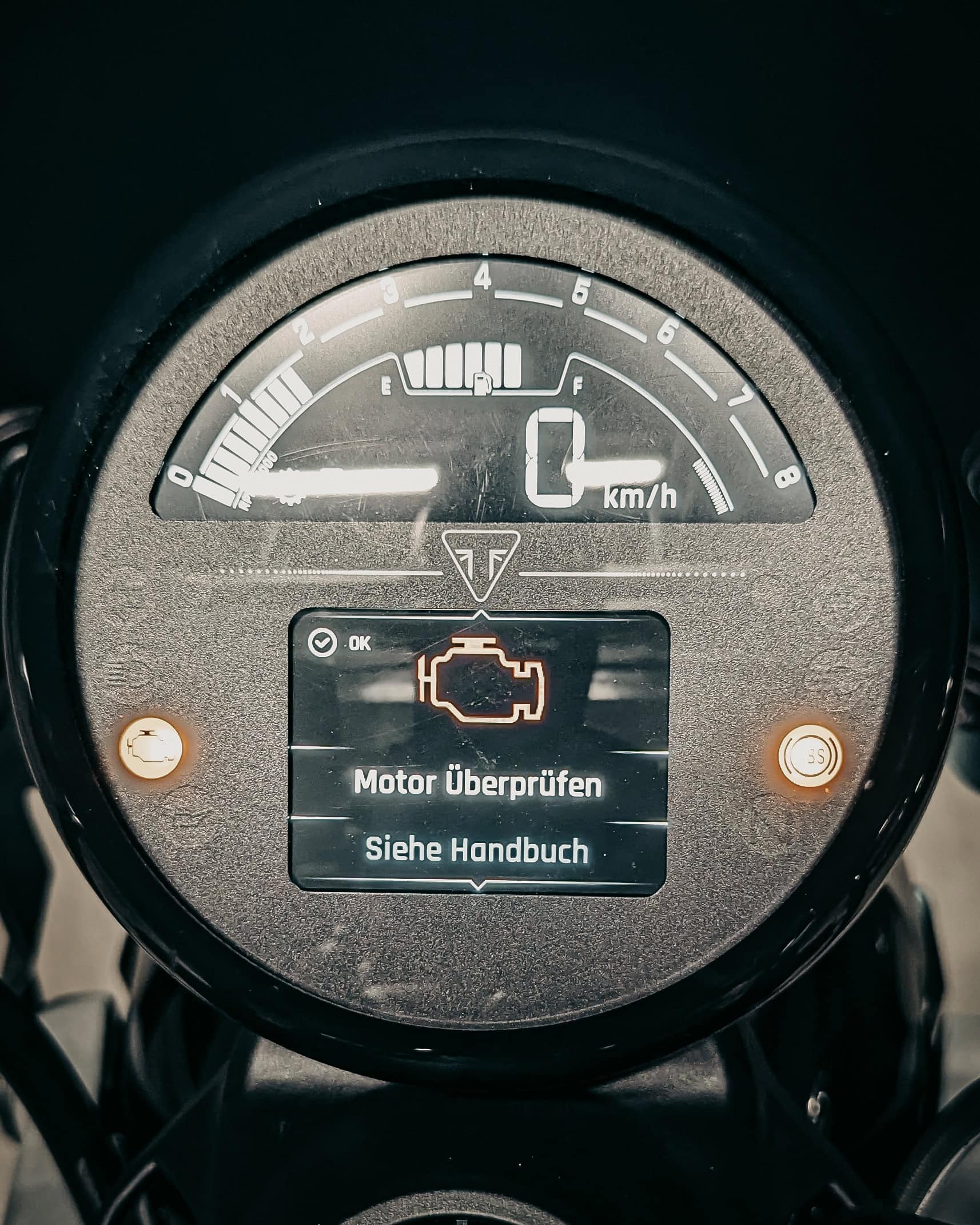
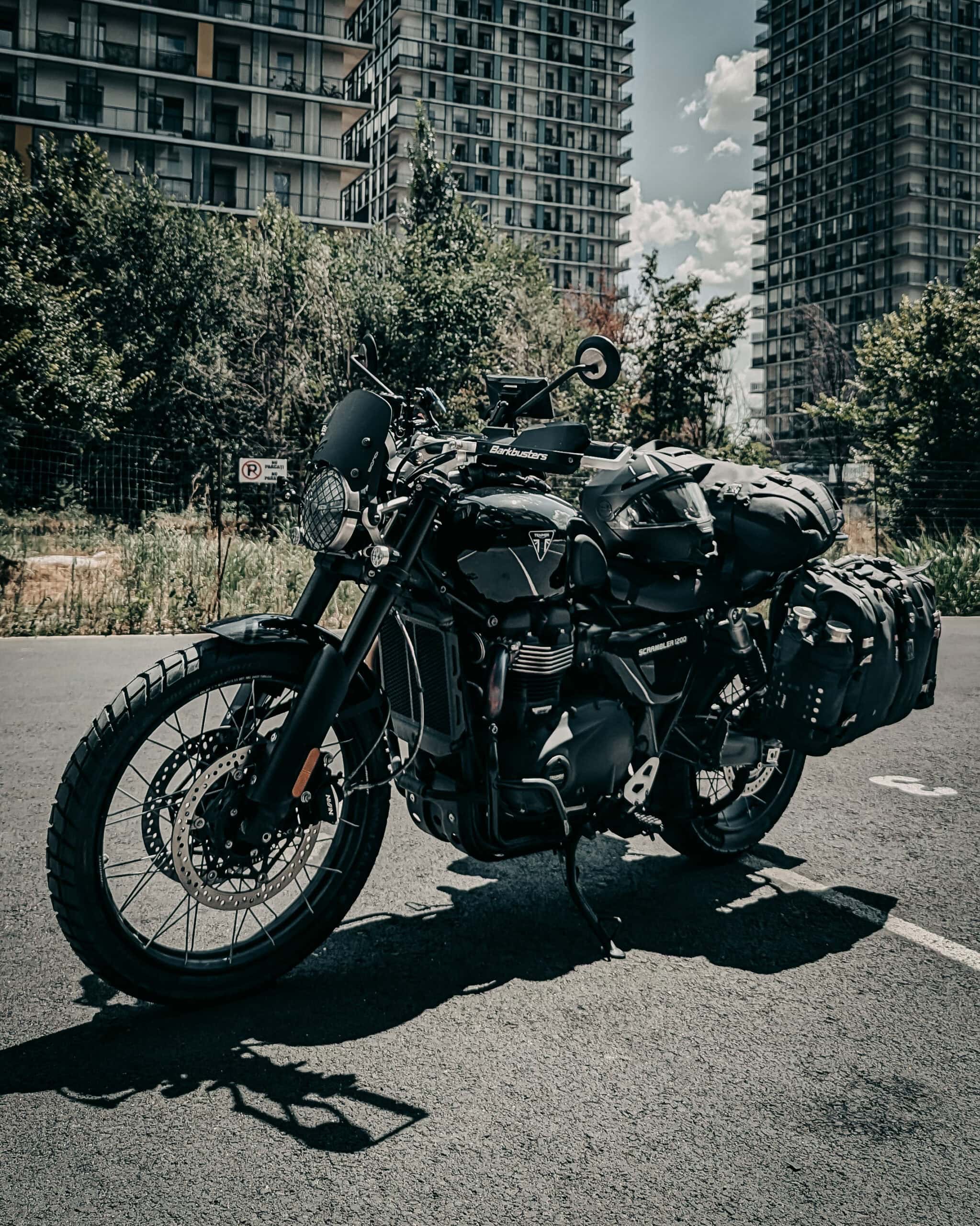
About fifty kilometres in, that rhythm broke. A small orange engine symbol lit up on the dash, followed almost immediately by a message I’ve come to dread on any modern motorcycle: “Check Engine – See Manual.” A moment later, the traction control indicator disappeared from the display entirely, and the speedometer began jumping erratically between numbers that had nothing to do with how fast I was actually going. Riding a fully loaded Triumph Scrambler 1200X at motorway speed while watching your instrument cluster essentially malfunction in real time is not a pleasant feeling, no matter how many kilometres you’ve already put behind you.
I pulled onto the hard shoulder, killed the engine, and did what any sensible rider does in that situation: I dug the service manual out of the pannier and started reading. The manual was reassuring in one sense and worrying in another. It confirmed the bike was safe enough to continue riding at reduced performance, but it was equally clear that a proper diagnostic check at an authorized Triumph workshop was non-negotiable before continuing any serious distance. Riding blind into a country with almost no dealer network for spare parts or diagnostics didn’t seem like the responsible choice, however tempting it was to just keep going and hope for the best.
Standing on the shoulder with trucks thundering past a few metres away, I ran through the usual mental checklist every long-distance rider eventually builds: was the engine actually running rough, or just reporting rough? Was this a sensor issue rather than something mechanical? The engine itself sounded and felt completely normal — no unusual vibration, no smell, no drop in power that I could actually feel through the throttle. That was oddly reassuring and oddly unsettling at the same time. A fault you can feel is often easier to trust than one you can only see on a screen, because at least then you have some intuition to go on. Here, I had nothing but a blinking icon and a speedometer that couldn’t decide whether I was doing forty or ninety.
The Bulgaria Problem
Here’s where things got genuinely complicated. Bulgaria, as I quickly discovered while sitting on the shoulder scrolling through dealer locators, has exactly one authorized Triumph workshop in the entire country, and it’s in Sofia — nowhere near the route I had planned toward the coast and the ferry crossing. Showing up there with an already flagged fault code, hoping for a same-day fix in an unfamiliar city, felt like a recipe for a much bigger problem than the one I currently had.
So I made the call that no touring rider wants to make: I turned the bike around. Fifty kilometres back the way I’d come, the same stretch of motorway now feeling considerably longer in reverse, back toward the city I’d just said goodbye to a few hours earlier. The bike didn’t fail outright, which I was genuinely grateful for, but every kilometre back into Bucharest came with a small mental tally of how many hours of daylight and how many days of planned itinerary were quietly slipping away.
I called Tudor from a fuel stop on the way back. To his enormous credit, he didn’t hesitate for a second — he immediately started sorting out the same apartment for another night, as if putting a stranded traveler back up on short notice was simply what you do for a friend. Romanian hospitality, I was learning fast, doesn’t come with an expiry date.
Hunting for a Workshop on a Saturday
Back in Bucharest, the next challenge was purely logistical: it was Saturday, and the authorized Triumph workshop I’d used earlier in the week had nobody in the service bay — only the sales floor was staffed on weekends. Tudor, once again stepping in without being asked twice, started working his phone and his contacts to see what else might be possible.
We called around to a handful of independent motorcycle workshops across the city, but ran into the same wall every time: modern Triumphs, like most contemporary motorcycles, rely on manufacturer-specific diagnostic software to read and clear fault codes. Without that proprietary software, even a skilled independent mechanic is essentially working blind — they can look at fuses and connectors all day, but they can’t actually tell you what the ECU is complaining about. One shop owner was honest enough to tell us straight: “I could take a guess, but I won’t touch a bike I can’t properly diagnose.”
As a last resort, I called ADAC — my German breakdown assistance provider, since as a Swiss/German-plated bike I still carry that cover on longer trips. The operator was friendly and clearly experienced with breakdown calls across Eastern Europe, but the answer for a Triumph in Romania on a Saturday was the same one I kept hearing everywhere else: for a BMW, no problem at all, extensive network coverage. For a Triumph? Nothing they could arrange before Monday.
There’s something almost comical about it in hindsight: a machine built for adventure touring, marketed on exactly this kind of long-distance capability, brought to a standstill not by a mechanical failure but by a brand-specific software lock that nobody outside an authorized dealer network can get around. It’s a reminder that modern adventure motorcycles are as much rolling computers as they are mechanical machines, and that convenience back home doesn’t always translate into flexibility on the road. I made a mental note, somewhere between the third and fourth phone call, to look into what a universal OBD reader might actually be capable of reading on a bike like this before the next big trip.
Accepting the Unplanned Pause
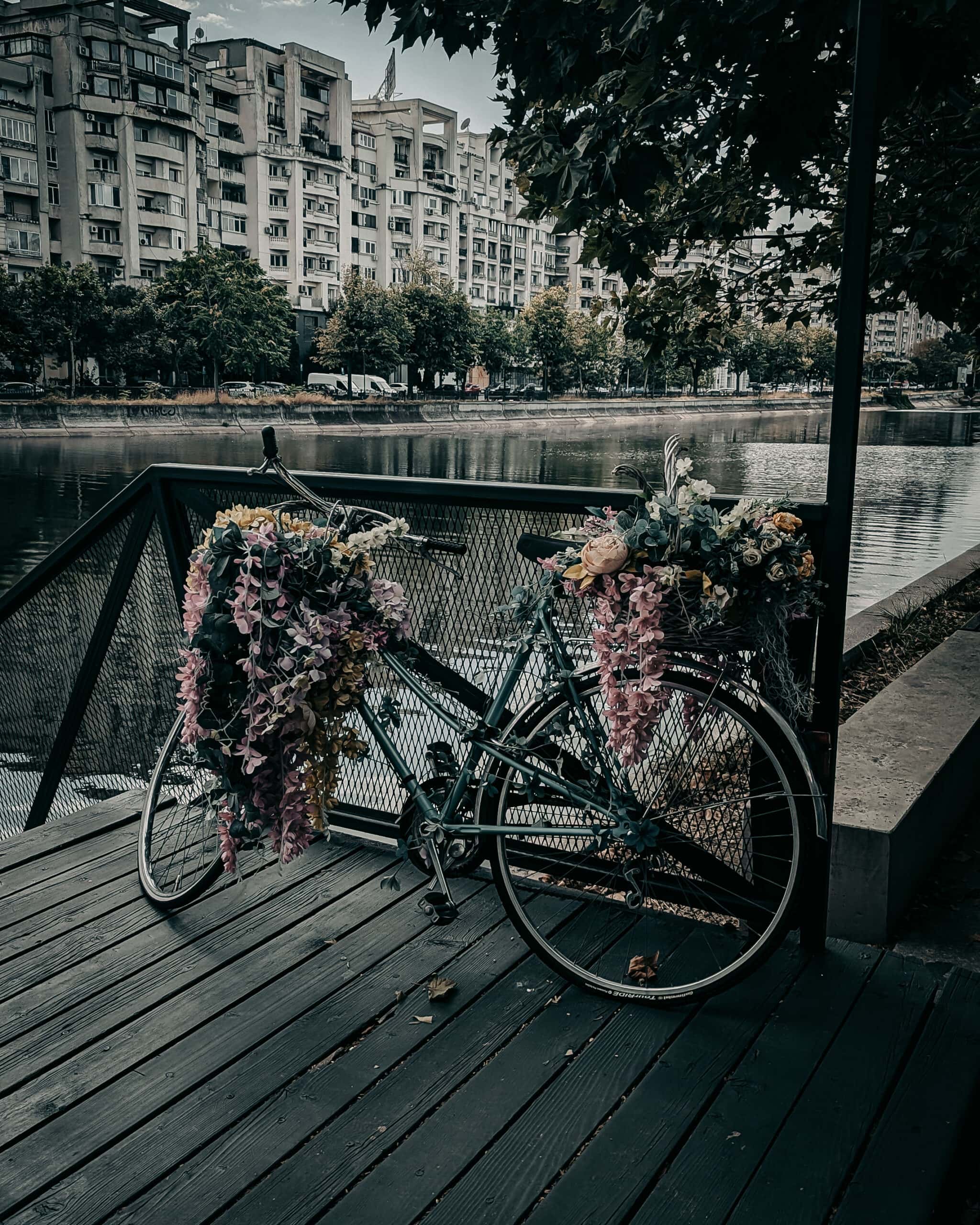
By early afternoon, the situation had crystallized into something I simply had to accept: the bike would need to wait until Monday, when the workshop reopened with staff and diagnostic equipment on hand. After nine days of steady forward momentum through Hungary, the Apuseni mountains, and across Romania, an unplanned weekend stuck in one city was not remotely part of the plan.
And yet, sitting with that realization over lunch with Tudor a little later, it honestly didn’t feel like the disaster it might have been on day two or three of the trip. Ten days in, I’d built up enough of a buffer — both in terms of schedule and, frankly, in terms of energy — that a forced pause in a city I already liked wasn’t necessarily a bad thing. Sometimes a long-distance motorcycle trip needs an involuntary rest day just as much as it needs kilometres covered.
Over lunch, I made a point of telling Tudor to go be with his family for the weekend. He had already given up an enormous amount of time and energy helping a stranger-turned-friend deal with tire changes, workshop bookings, apartment logistics, and now a second round of the exact same favors, all within the space of a few days. Generosity like that deserves respect, not exploitation, and a Saturday afternoon and evening belonged with his family, not chasing down motorcycle parts on my behalf. We shook hands, he headed off, and I was left to my own devices in Bucharest for the rest of the weekend.
Finding Company Through Couchsurfing
Being unexpectedly alone in a city for an evening is one of those situations where solo travel either becomes lonely or becomes an opportunity, and I’ve learned over the years that the difference usually comes down to how proactive you’re willing to be. So I opened the Couchsurfing app, something I hadn’t touched much on this particular trip, and started browsing local hangouts and meetups happening that evening in Bucharest.
One listing immediately stood out: a local user had organized a casual pub crawl through the Old Town for that very evening, open to anyone in the app who wanted to join. No cover charge, no strict itinerary, just a rough starting point and a group of strangers willing to show a mix of locals and travelers a good night out. I messaged the organizer, got a friendly and immediate “of course, come along,” and headed out into the Bucharest evening with genuinely no idea who I’d meet or where the night would end up.
An Old Town Evening That Made Up For a Lot
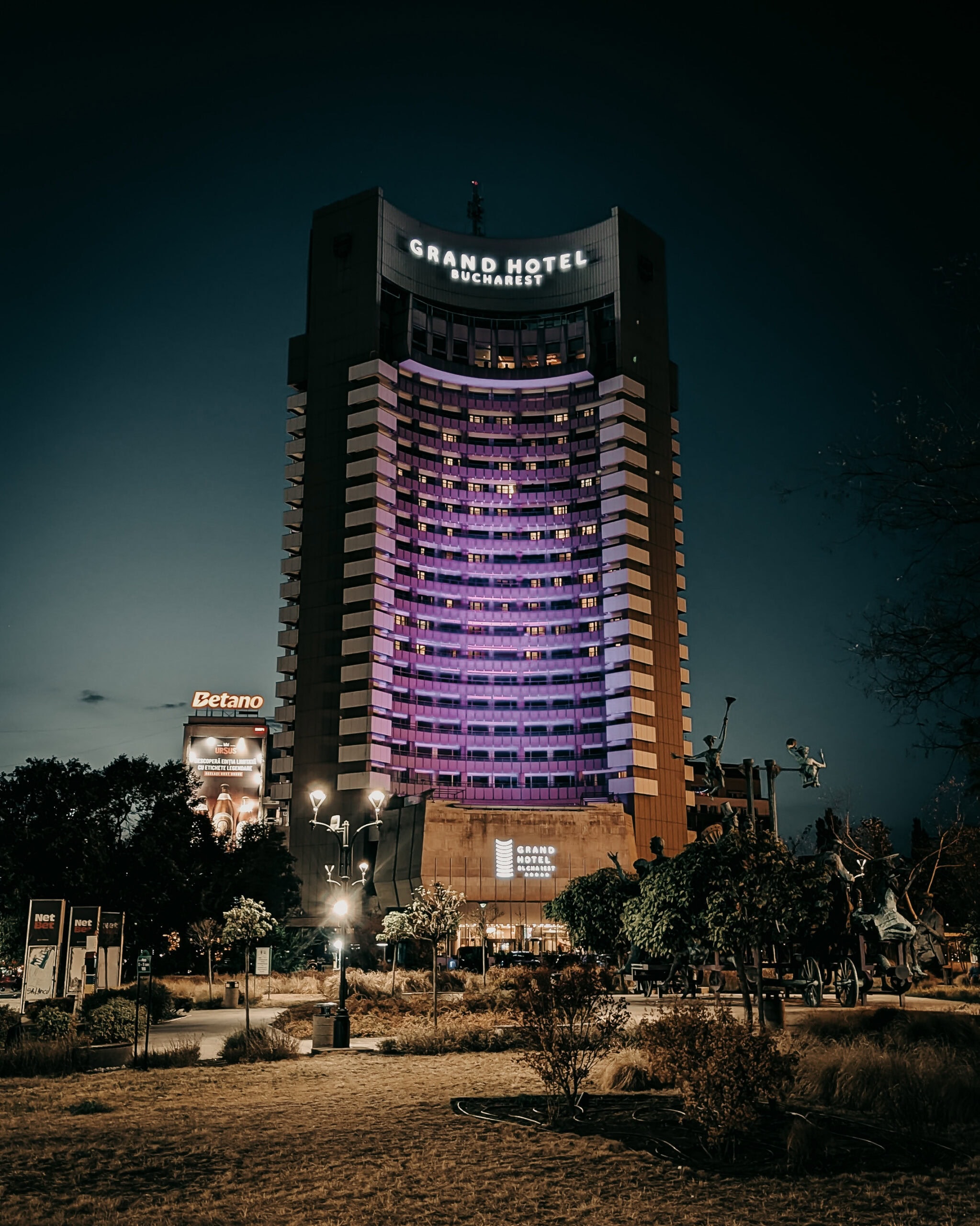

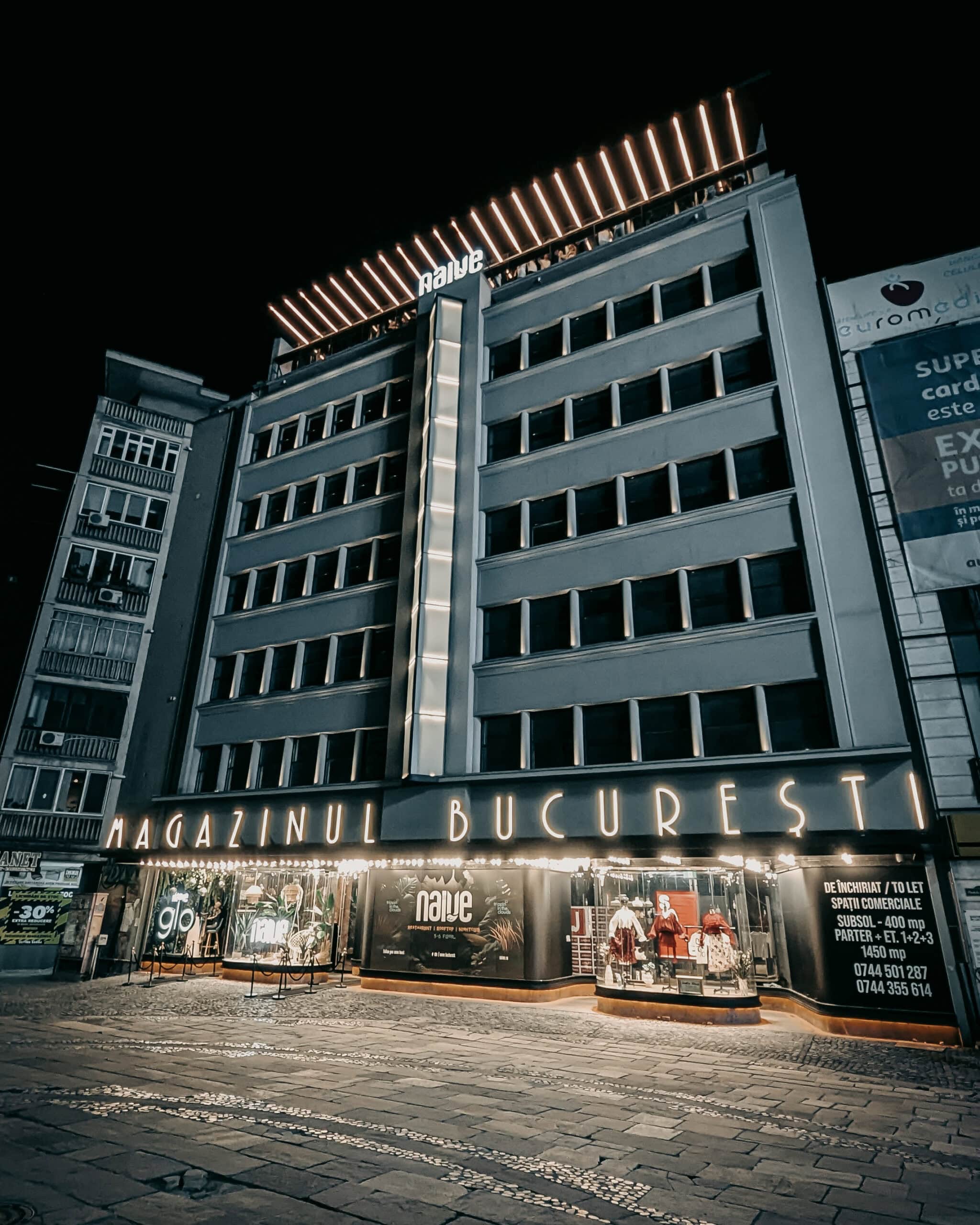
What followed turned into one of the more memorable evenings of the entire trip. The group that gathered was a proper cross-section of who ends up wandering around a European capital’s nightlife scene on a Saturday: backpackers working their way through the Balkans, a couple of digital nomads based in Bucharest for the season, and several genuinely proud locals eager to show off their city’s bars, rooftop terraces, and hidden courtyard venues. Bucharest’s Old Town at night has a completely different energy from the daytime version — cobblestone streets packed with outdoor seating, live music spilling out of half-hidden doorways, and an atmosphere that somehow manages to feel both historic and thoroughly modern at the same time.
Conversations ranged from motorcycle stories (a couple of the locals turned out to be riders themselves and had plenty of opinions about the best mountain roads in Romania) to comparing notes on which countries had the friendliest border guards, to the kind of late-night philosophical tangents that only happen among people who’ve just met and know they’ll probably never see each other again. There’s a particular kind of honesty that comes out in those conversations — no pretense, no performance, just genuine curiosity about strangers’ lives. It’s exactly the kind of unplanned human connection that makes solo motorcycle travel so worthwhile, even — or maybe especially — when it happens because your original plan fell apart.
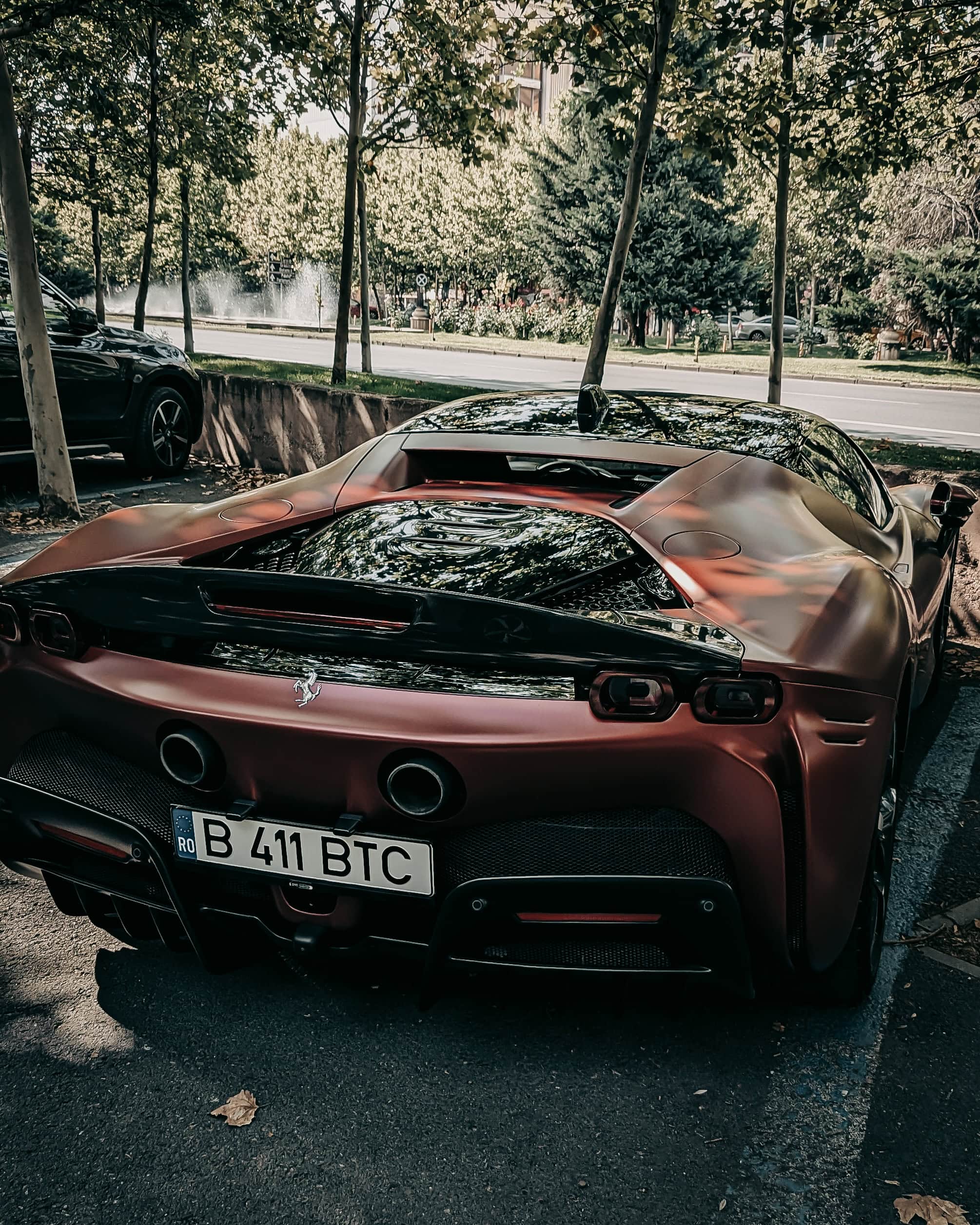
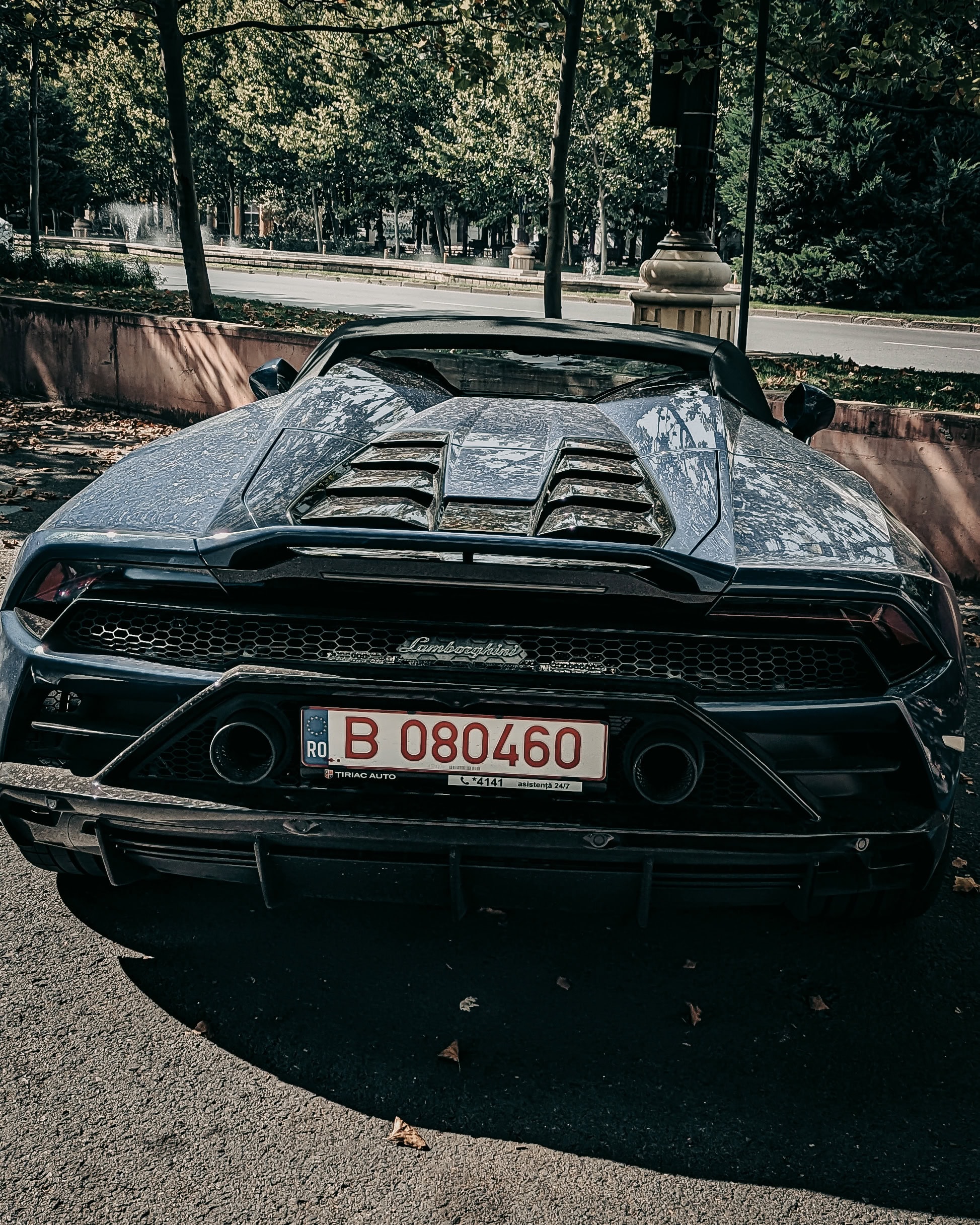
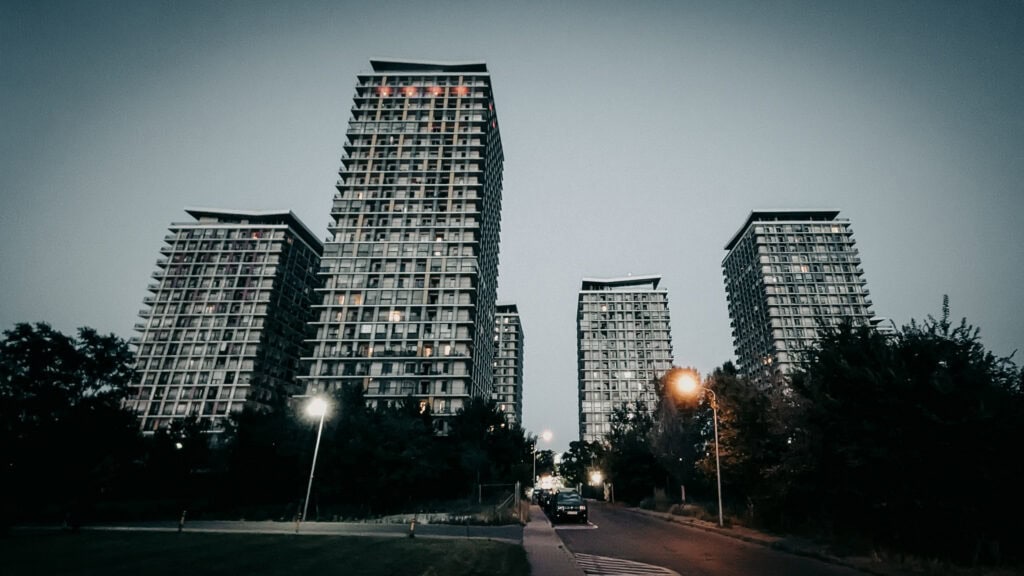
Somewhere around the second or third bar, the group ended up on a small rooftop terrace with a half-decent view over the rooftops of the Old Town, string lights strung between the surrounding buildings and a low hum of music drifting up from the street below. One of the local guys running the meetup pulled out a microphone at some point for an impromptu bit of stand-up comedy in front of a battered old sign, the whole thing dissolving into laughter within about thirty seconds — the kind of purely silly, low-stakes fun that’s almost impossible to plan and only ever happens when a group of strangers decides, collectively and without discussion, to just go with it. A few streets over, the more serious side of Bucharest’s nightlife was on full display too: gleaming supercars parked along the boulevards outside upscale restaurants, a reminder that this city runs the full spectrum from Soviet-era apartment blocks to genuine European wealth, often within the same few hundred metres.
By the time the group started thinning out well past midnight, I’d laughed more in a few hours than I had in days, swapped contact details with a couple of people I genuinely hope to cross paths with again somewhere down the road, and more or less forgotten entirely about the orange warning light that had derailed my morning. Walking back to the apartment through the quiet, warmly lit streets of the Old Town, past the grand old buildings and the occasional late-night café still serving coffee to night owls, I couldn’t help but think that some of the best moments of a long trip are the ones you never actually planned for.
Looking Ahead to Monday
The bike was still sitting in the same underground garage, still displaying the same stubborn warning light, and Monday’s workshop visit was still very much unresolved. But for one evening at least, none of that mattered particularly much. Bucharest had thrown an unexpected curveball into the itinerary, cost me a full day of riding, and forced an uncomfortable turnaround on the motorway — and yet it had also delivered an evening of spontaneous connection that no amount of careful trip planning could have engineered on purpose.
There was still the small matter of getting the diagnostic sorted, the fault code cleared, and hopefully a straightforward green light to continue toward Bulgaria once the workshop reopened. That part of the story — the wait through Sunday, the Monday morning workshop visit, and whatever verdict came with it — would have to wait for the next chapter. For now, Bucharest had earned itself an unplanned extra chapter in this journey, and honestly, I wasn’t complaining.