
A Wet Morning in Pieve di Cadore
I woke up in my hotel room in Pieve di Cadore to the steady, unmistakable sound of rain hammering against the window. After the damp, unsettled first night by Lago di Livigno and the long, soaked ride through the Dolomites the day before, I’ll admit part of me hoped for a drier start. No such luck. The sky over the Belluno province was a solid grey, and the forecast on my phone showed no real break in sight for the morning. Choosing the hotel over pitching the tent the previous evening had already turned out to be the right call, and this morning it felt like an even better one. At least I’d slept dry, even if the tent itself was still packed away damp from two nights before.
There’s a particular kind of morning ritual that comes with rainy riding days: you check the weather one more time even though you already know the answer, you glance at the gear hanging by the radiator hoping for a miracle that never quite happens, and you accept that today is simply going to be wet. So instead of rushing out into it, I decided to start the day properly.
Breakfast Before the Climb
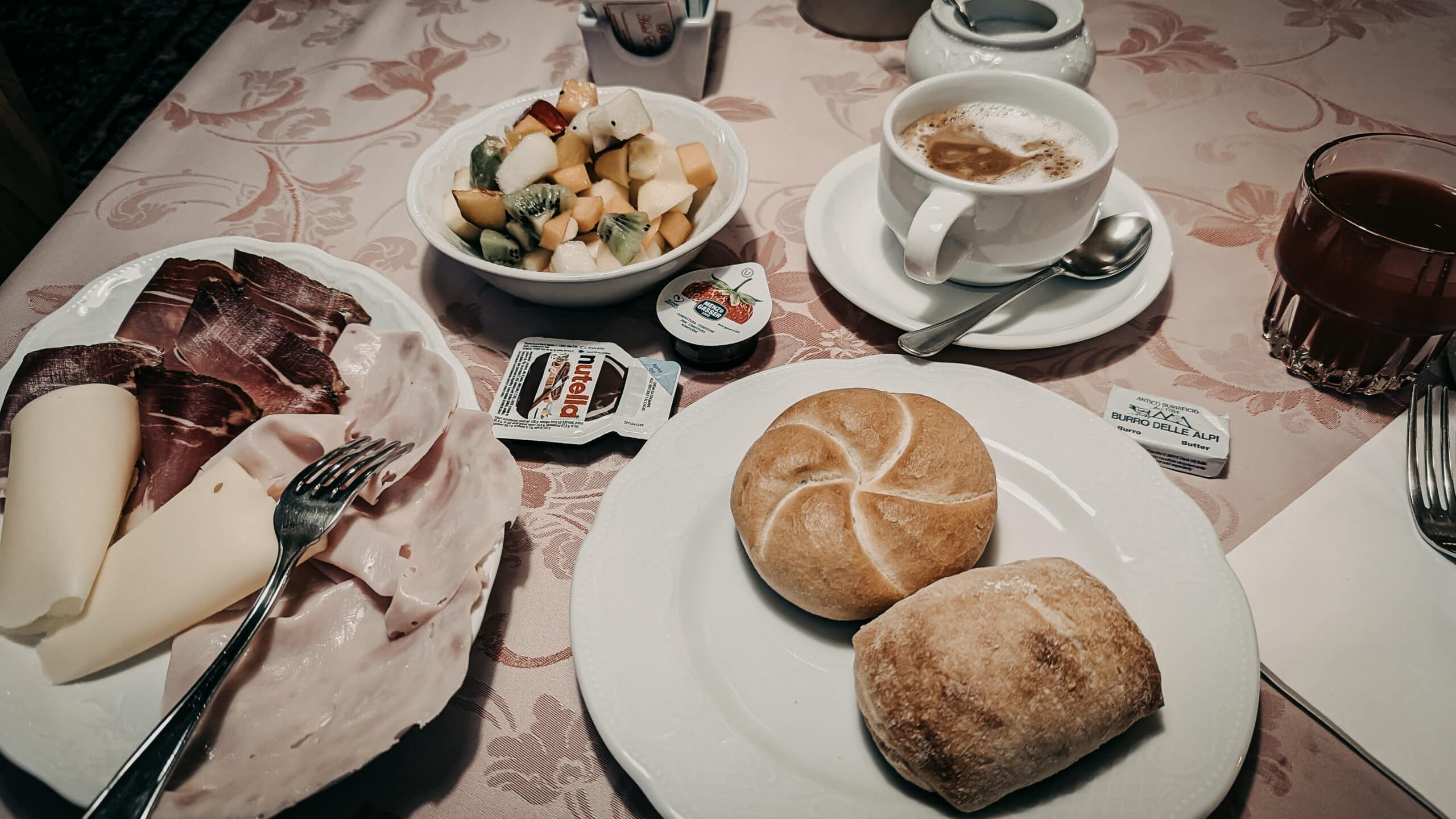
Rather than throwing on damp gear and heading straight out into the rain, I took my time with breakfast. The hotel spread was simple but exactly what a wet, cool morning in the mountains calls for: a plate of cured meats and cheese, a small bowl of fresh fruit salad, fresh bread rolls with butter and jam, and a proper cappuccino to go with it. It’s a small thing, but a slow breakfast before a hard riding day does wonders for morale. There’s something almost meditative about sitting in a warm dining room, listening to the rain outside, knowing that in twenty minutes you’ll be zipping into wet gloves anyway.
By the time I’d finished my coffee, I’d made peace with the day ahead. The Dolomites don’t wait for good weather, and neither would I. I packed up the bike, checked the straps on the luggage one more time, and rolled out of Pieve di Cadore back into the grey.
Into the Dolomites Despite the Rain
The plan for the day was ambitious even before the rain: push deeper into the heart of the Dolomites, tackle some of the region’s legendary passes, and eventually work my way toward Slovenia. Riding out of Pieve di Cadore, the road climbed steadily and the peaks around me started rising out of the mist, even if I could only catch glimpses of them between the clouds.
Riding in the rain in the mountains has its own rhythm. You slow down, you read the road surface more carefully, and you become far more aware of every subtle change in grip. The Dolomites are stunning even in bad weather, arguably more dramatic with the fog curling around jagged limestone towers, but they also demand respect. I reminded myself early on that today wasn’t a day for pushing limits. It was a day for getting through safely and still enjoying whatever the mountains decided to show me.
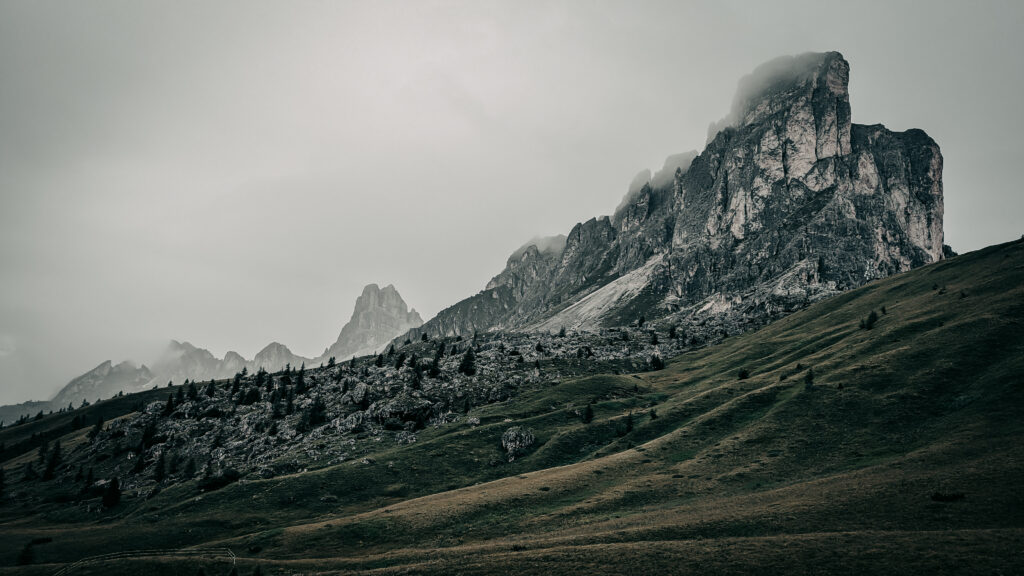
Visibility changed constantly. One moment a ridge of pale, weathered rock would appear off to the side, sharp and enormous against the grey sky, and the next it would vanish completely behind a curtain of drifting cloud. Waterfalls, swollen from the rain, cut down the rock faces in places that were probably barely a trickle on a dry day. It’s a strange kind of beauty, watching a mountain range reveal and hide itself in pieces as you ride through it, never getting the full picture at once but collecting fragments of it the whole way up.
Climbing Passo Giau on Slick Cobblestones
My main target for the morning was the Passo Giau, one of the most iconic and photographed passes in the entire Dolomites, known for its endless string of tight hairpins climbing up to just over 2,200 meters. Under dry conditions, it’s supposedly one of the great motorcycling roads of the Alps. In the rain, it was a different kind of challenge altogether.
What made the climb genuinely tricky wasn’t just the wet asphalt but also the stretches of old cobblestone paving that appear on several sections of road through this part of the Dolomites. Cobblestones are charming to look at and murder on grip once they’re wet. Combined with the rain, some sections became noticeably slippery, and I found myself riding well below my usual pace, picking careful lines through each hairpin and staying smooth on the throttle and brakes. No dramatic moments, just a lot of concentration and respect for the road surface. It’s the kind of riding where you don’t think about anything else, not the weather, not the schedule, just the next ten meters of tarmac in front of your wheel.
Slowly, switchback by switchback, the bike and I worked our way up toward the top of the pass. Every now and then a gap in the fog and rain would open up just long enough to show the scale of what I was riding through, huge grassy slopes giving way to bare rock walls disappearing upward into the clouds. It’s the kind of road where, under normal circumstances, you’d want to stop every few hairpins just to take it all in. Today, stopping meant getting colder and wetter, so I kept moving, saving the appreciation for the brief moments the weather allowed it.
Other riders were out on the pass too, a couple of adventure bikes and one very committed cyclist grinding uphill in the rain, and there was a quiet, unspoken solidarity in passing each other, everyone equally soaked, equally focused, equally determined to get to the top.
Fog at the Top
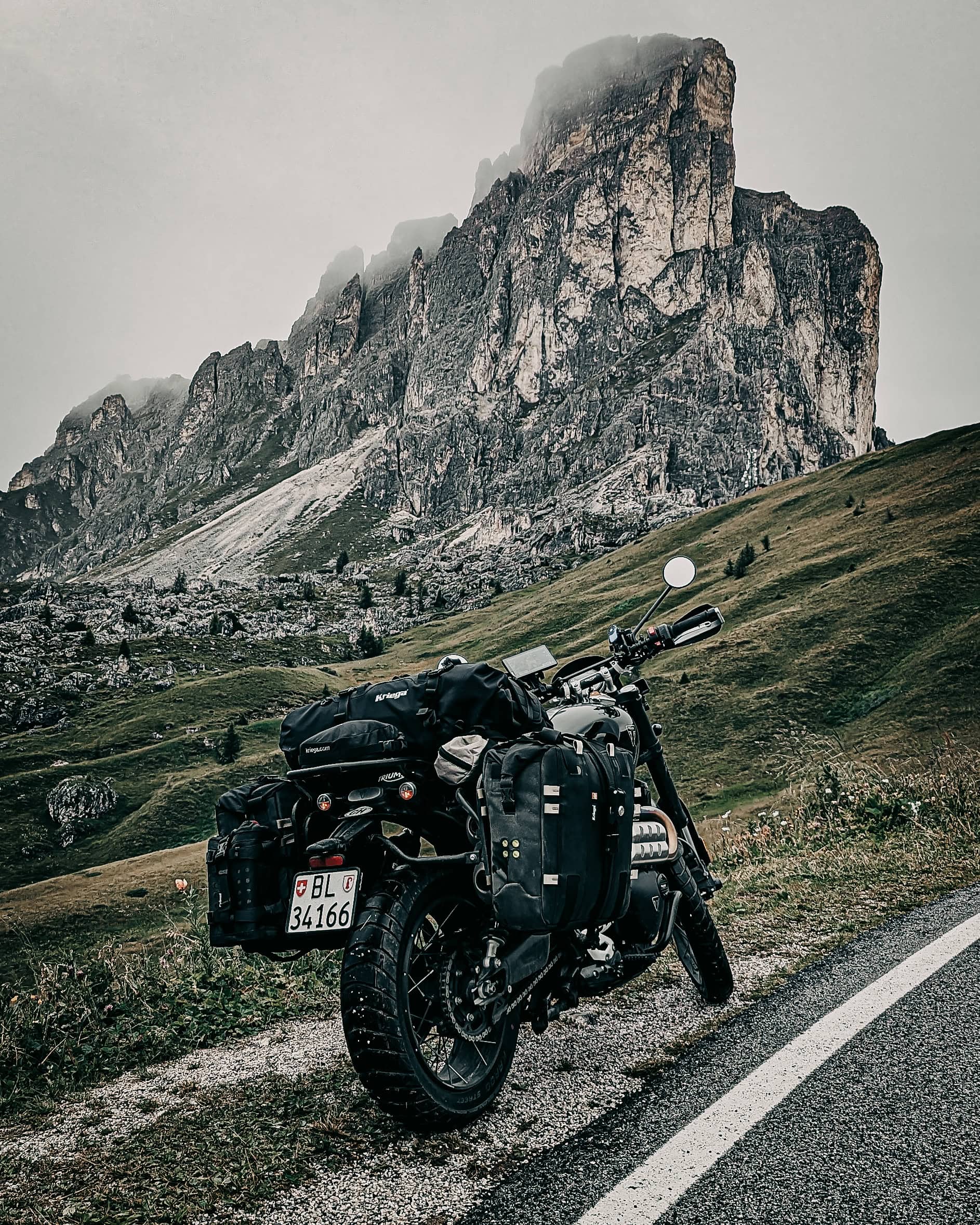
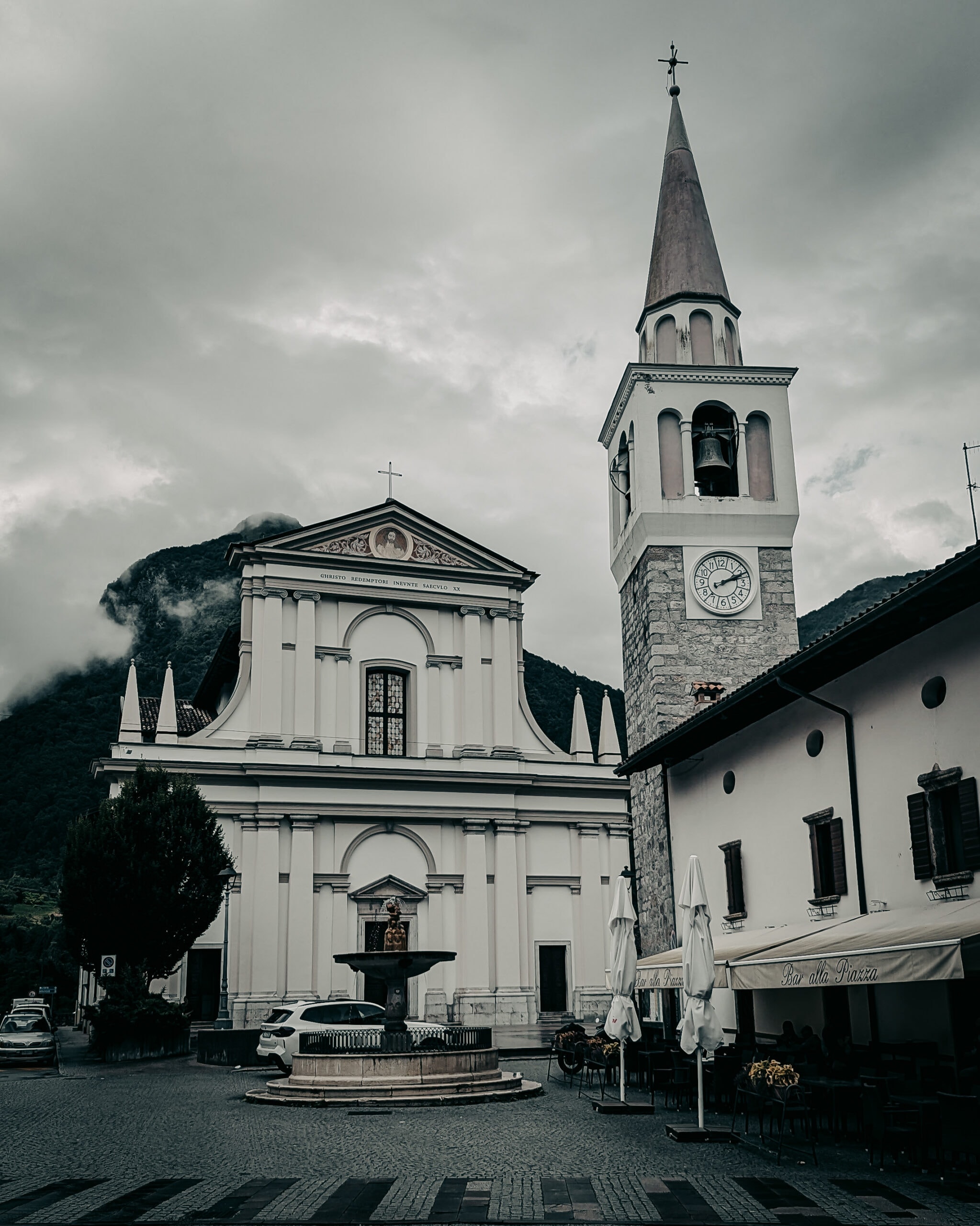
Reaching the summit of Passo Giau brought an odd kind of relief. The rain that had followed me most of the climb eased off, and instead I was swallowed by thick fog rolling across the high plateau. The famous panoramic views the pass is known for were nowhere to be seen; visibility dropped to maybe fifty or so meters in places. Still, the road itself remained wet and required just as much attention as before, even without active rainfall.
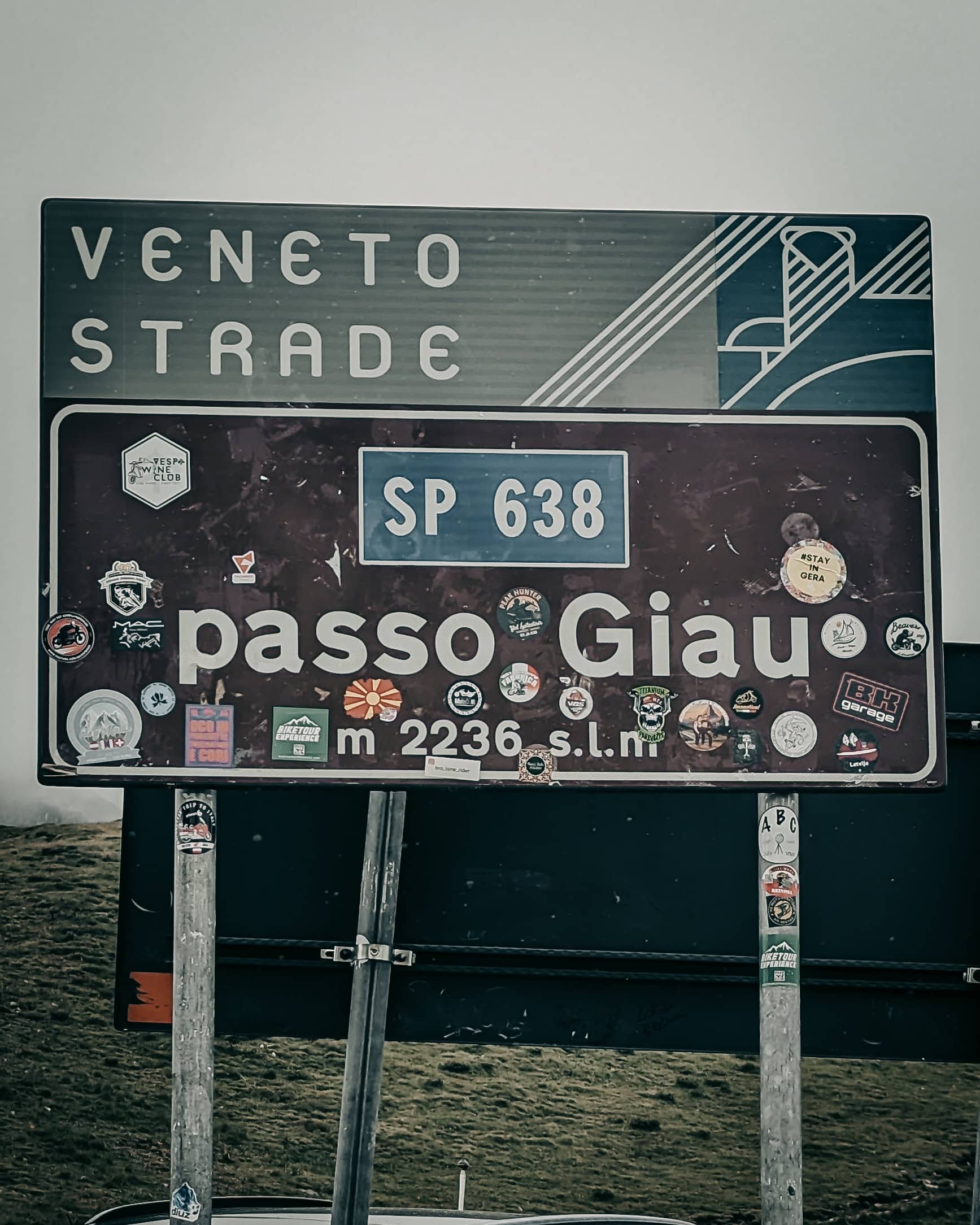
There’s something strangely peaceful about arriving at a mountain pass in fog rather than rain. The wind picks up, temperatures drop noticeably, and the world shrinks down to just you, the bike, and the grey wall of cloud around you. I took a short break at the top, let the bike cool for a moment, and snapped a photo next to the pass sign, its surface covered in years of stickers from other travelers who’d made the same climb before me. It felt like a small badge of honor after that slow, careful ascent.
A Stop in Cortina d’Ampezzo
From Passo Giau, the road dropped down toward Cortina d’Ampezzo, the well-known alpine town that’s hosted international ski races and will host Winter Olympic events again soon. I pulled in for a proper break, glad for the chance to warm up and dry off slightly, even if only mentally.
I found a small restaurant right on the church square in the town center and sat down for something to eat and drink. There’s a particular comfort in stepping out of wet riding gear for half an hour, sitting somewhere warm, and watching the world go by outside the window. The square itself, with its church tower and quiet Italian charm, made for a pleasant pause between two very different chapters of the day: the wild, demanding mountain pass behind me, and the long transit ahead toward Austria and Slovenia.
Cutting the Route Short: Skipping Planned Passes
If I’m honest, the original plan for this stretch of the trip was more ambitious than what actually happened. I’d hoped to spend another night up in the mountains, camping with the tent somewhere scenic in the Dolomites, and then continue into Slovenia the next day to ride a handful of mountain passes there as well before eventually reaching Ljubljana.
The weather had other plans. With the persistent rain making the roads increasingly slippery, and the tent already damp from a previous night, camping in the mountains again simply wasn’t a sensible option. Rather than force a plan that no longer matched the conditions, I made the call to shorten the Dolomites and Slovenia section of the route. The Slovenian passes I’d wanted to ride got left for another time, and instead of another night under canvas, I set my sights on reaching Ljubljana in one push.
It’s not always a comfortable decision to cut a planned route short, especially when you’ve been looking forward to specific roads for weeks. But solo motorcycle touring teaches you, again and again, that flexibility beats stubbornness. The mountains and passes will still be there next time. Riding a slippery, unfamiliar pass in deteriorating weather, alone, with no one expecting you at a specific time, is a risk that simply isn’t worth it.
I’ve noticed this pattern on every longer trip I’ve done: the plan on paper is always the optimistic version, drawn up at home with dry roads and clear skies in mind. The actual route that gets ridden is a negotiation with whatever the day throws at you. Some years that negotiation barely changes anything. This time, the weather made the decision for me, and honestly, once I’d accepted it, the pressure of trying to force an ambitious itinerary lifted immediately. There’s a certain freedom in admitting a plan needs to change and just getting on with the new one.
Through the Karawanken Tunnel to Slovenia
With the shortened route decided, I pointed the bike toward Austria and, from there, into Slovenia via one of the fastest and most direct connections available in bad weather: the Karawanken Tunnel on the A11 motorway. At just under 7.9 kilometers long, it’s one of the longer road tunnels in the Alps, linking Austria and Slovenia beneath the Karawanken mountain range, and it turned out to be exactly the kind of pragmatic, no-nonsense route I needed after a demanding, weather-battered morning.
What caught me completely off guard was the heat inside. I’d been riding all day in cool, wet mountain air, and suddenly I was inside a tunnel where the temperature climbed to somewhere between 35 and 39 degrees. The air quality wasn’t great either, with that familiar tunnel mix of engine exhaust and trapped heat. Still, I wasn’t about to complain about being warm and dry for a few minutes after a morning like that. It was, at the very least, a welcome break from the rain, even if it came with its own strange kind of discomfort.
There’s something almost surreal about riding through a nearly eight-kilometer tunnel on a motorcycle, watching the sodium lights blur past overhead, the temperature climbing with every passing minute, and knowing that on the other side an entirely different country and landscape is waiting. It’s not scenic in any conventional sense, but it’s an efficient, slightly strange little chapter of its own, a straight, warm, artificially lit shortcut through an otherwise imposing mountain range that would have taken hours longer to cross on smaller roads in this weather.
Coming out the other side into Slovenia felt like crossing into a different chapter of the trip entirely.
First Impressions of Ljubljana
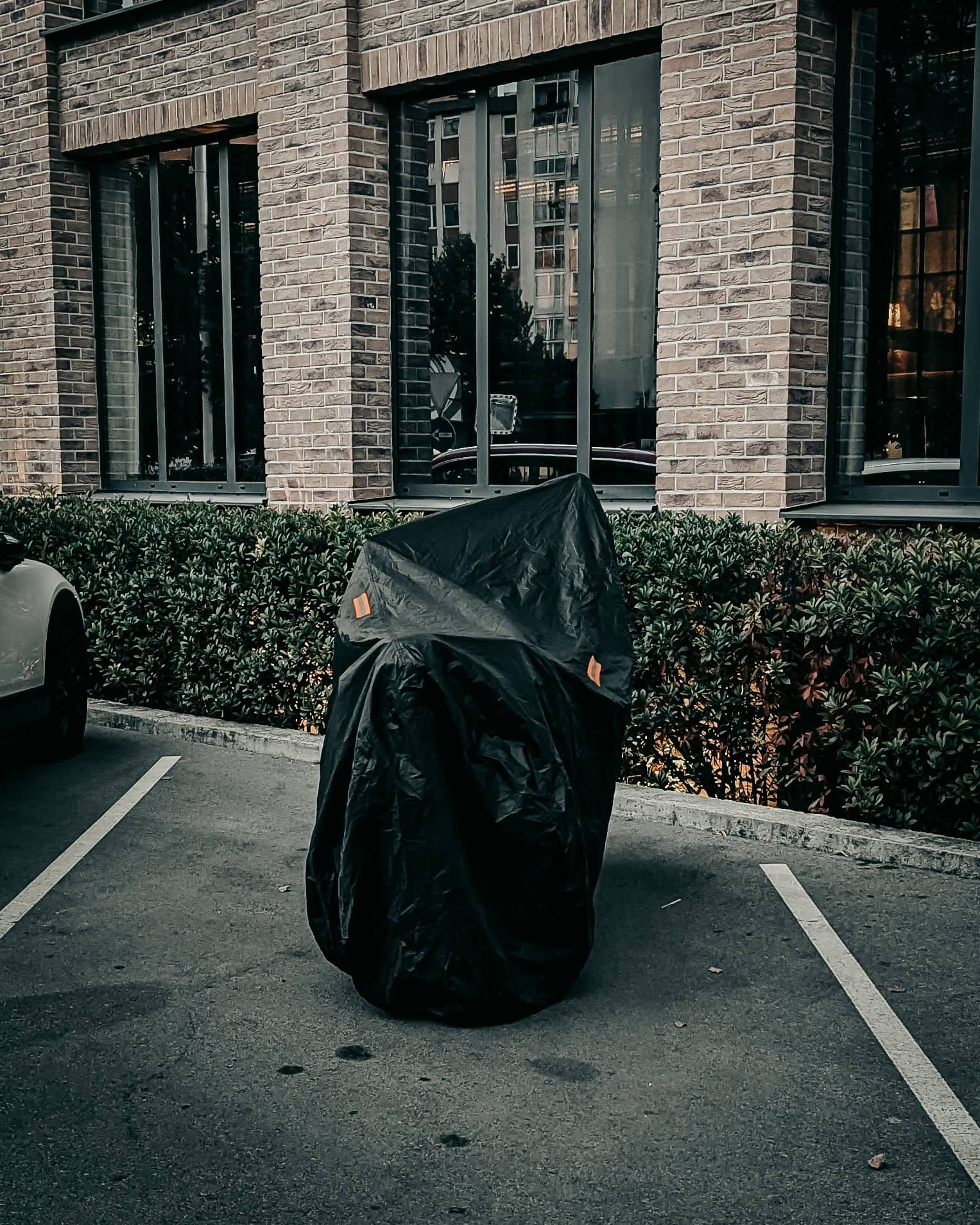
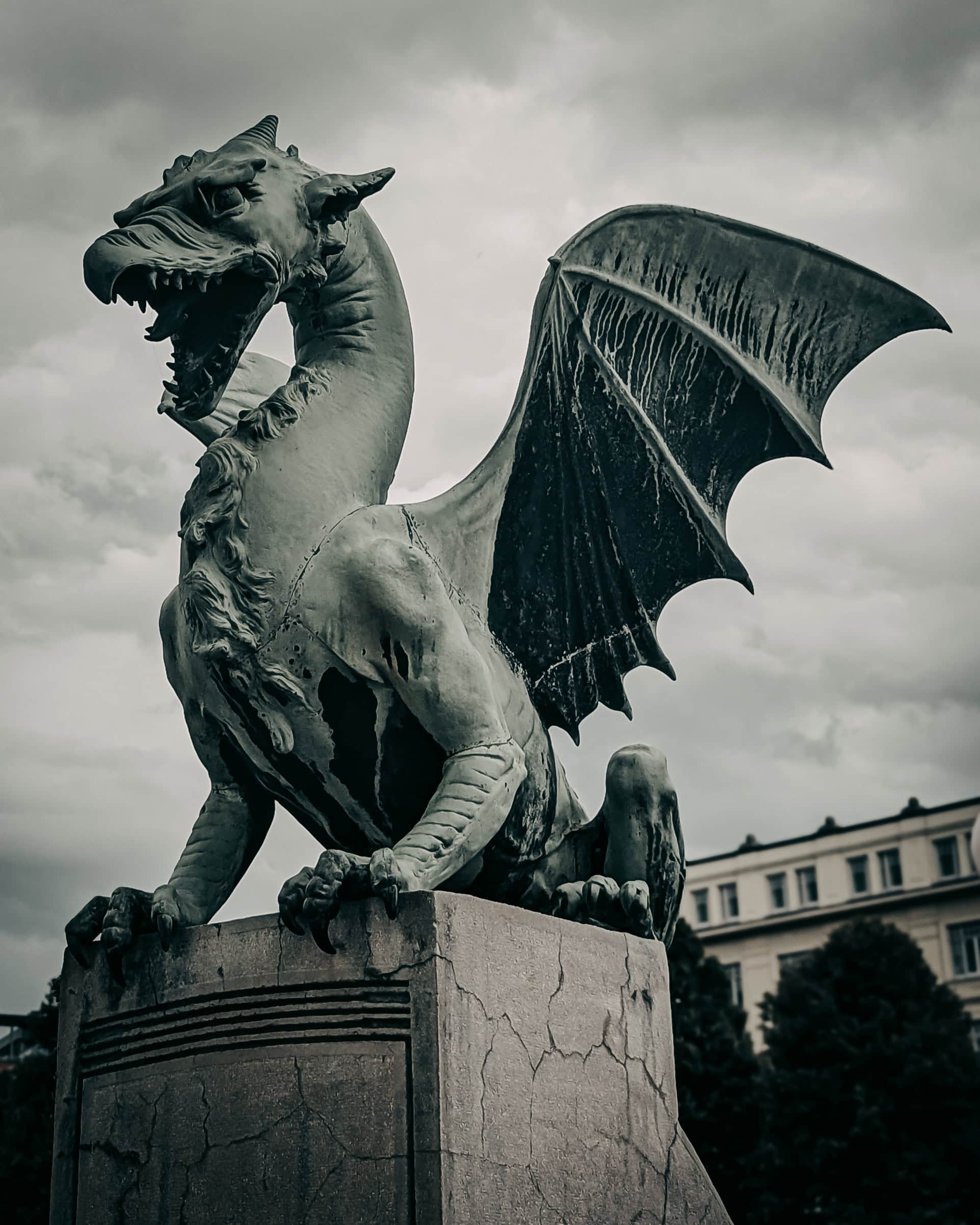
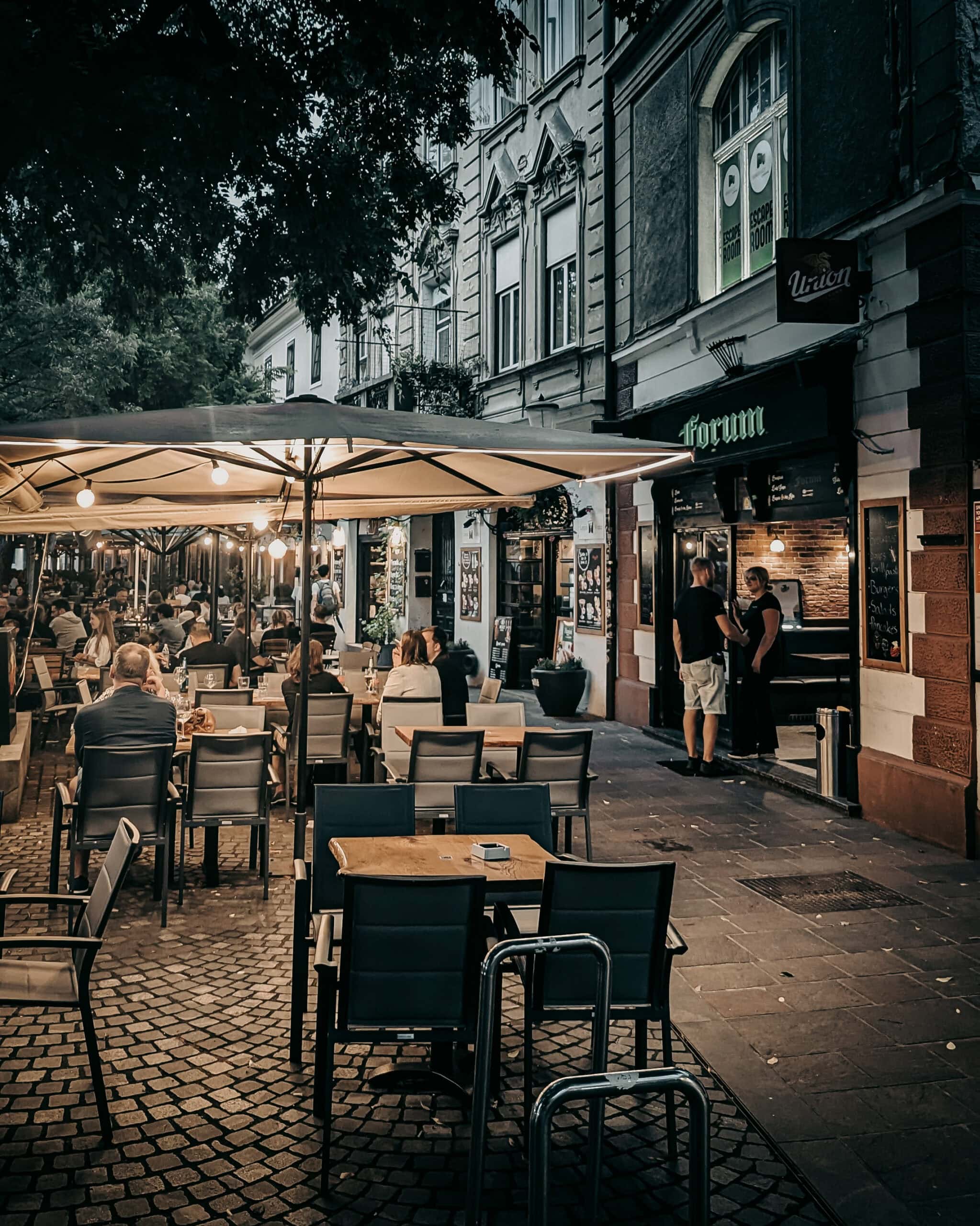
From the tunnel, I rode more or less directly to Ljubljana, arriving in the Slovenian capital in the early evening. After a day that had started with rain hammering on a hotel window and included a slow, careful climb up a slippery mountain pass, rolling into the city felt like a genuine reward.
I checked into a nice hotel and, rather than deal with parking and navigating an unfamiliar city center on the bike after a long day, I called a taxi and let someone else handle the traffic for a change. Ljubljana’s old town turned out to be an immediate highlight of the trip. The Ljubljanica river winds right through the historic center, crossed by a series of elegant bridges, including the famous Triple Bridge and the dragon-guarded bridge that’s become one of the city’s unofficial symbols. Riverside cafes and bars lined the water, their lights reflecting off the surface as the evening settled in.
An Evening Stroll and Dinner in the Old Town
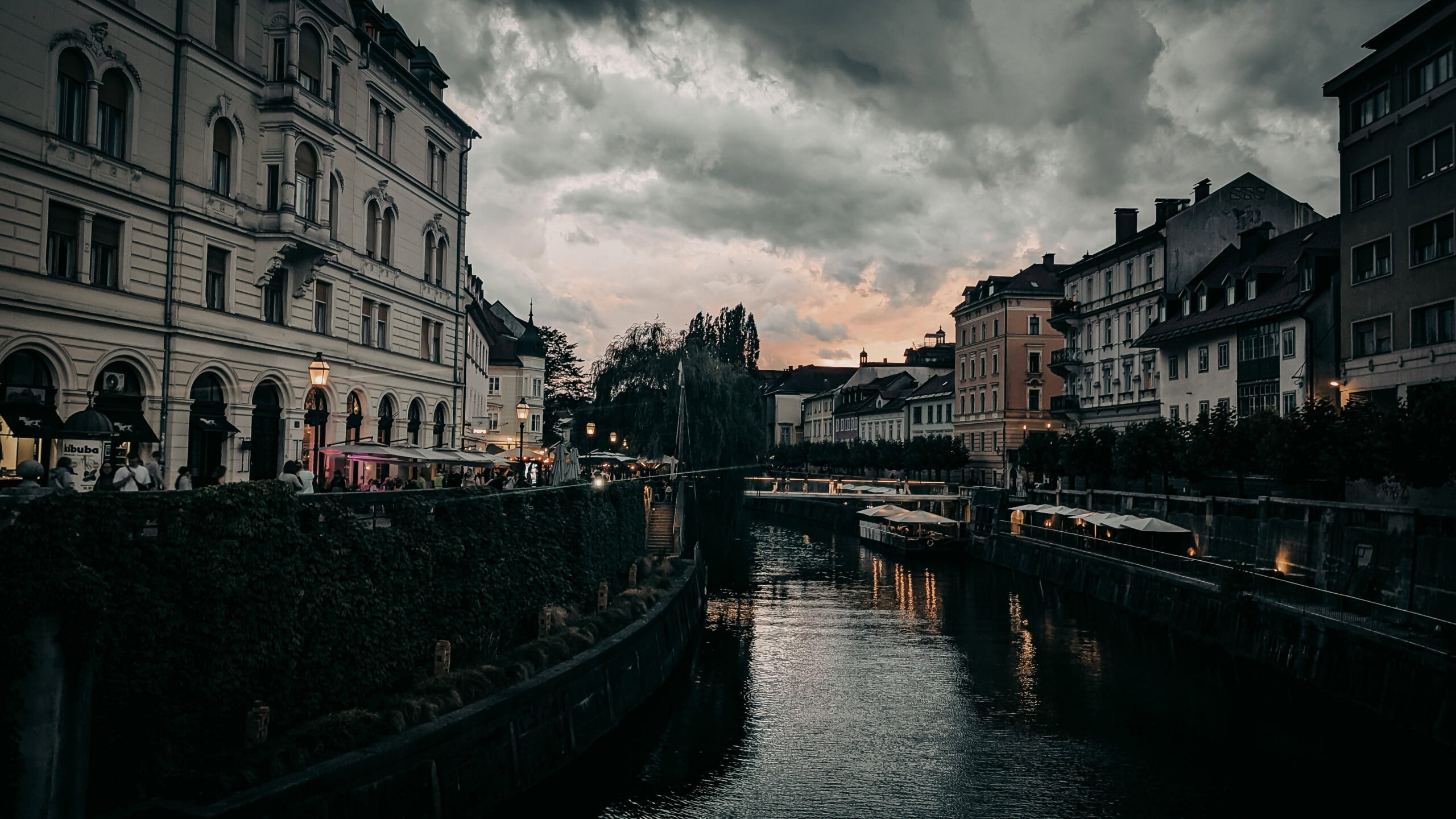
I spent a good stretch of the evening simply walking through the old town, no particular destination in mind, just soaking in the atmosphere after a physically and mentally demanding day on the bike. The city center has that rare combination of being genuinely beautiful and still feeling lived-in and relaxed rather than purely built for tourists. Baroque church facades, cobbled squares, and quiet side streets alternated with lively terraces full of people enjoying the evening.
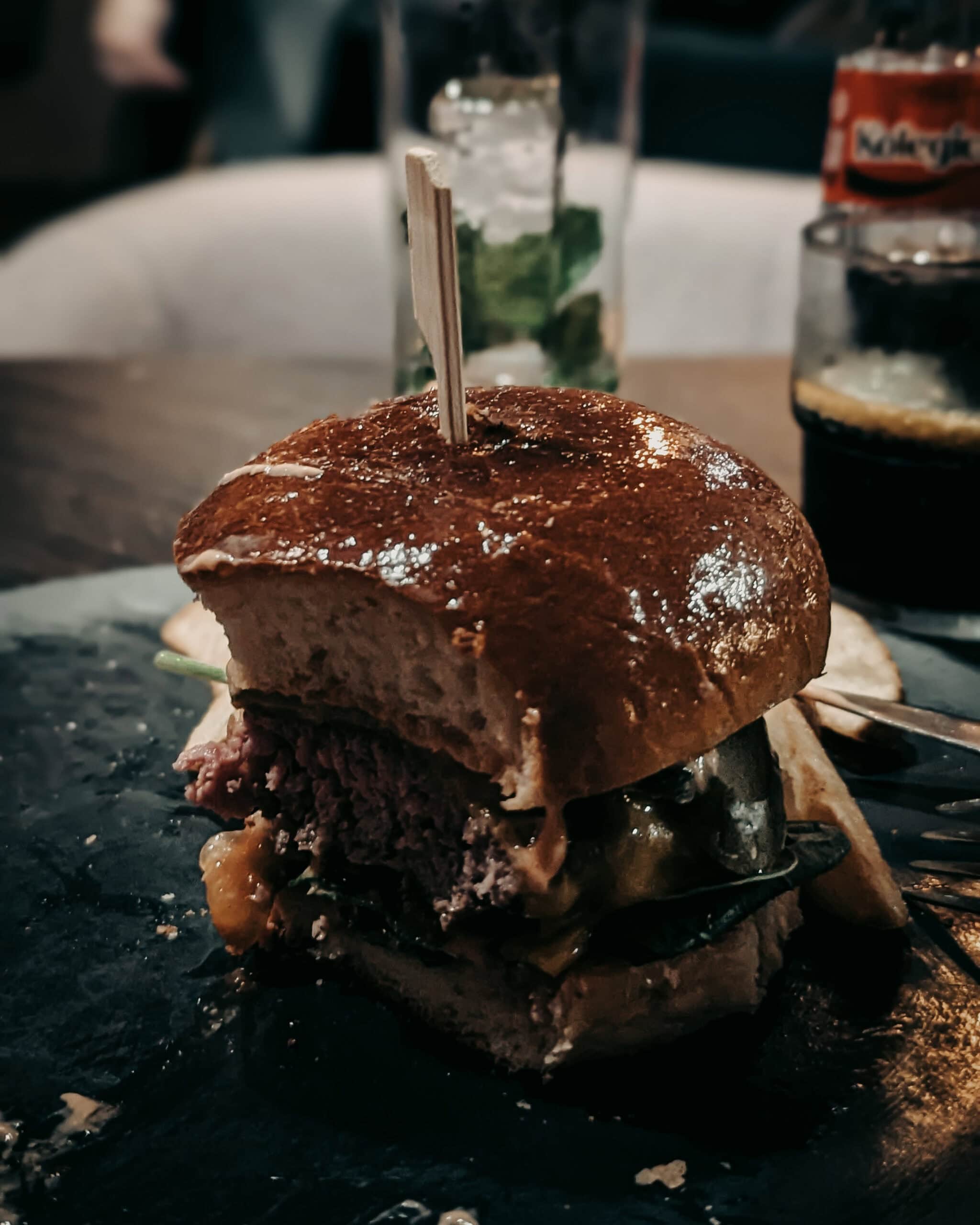
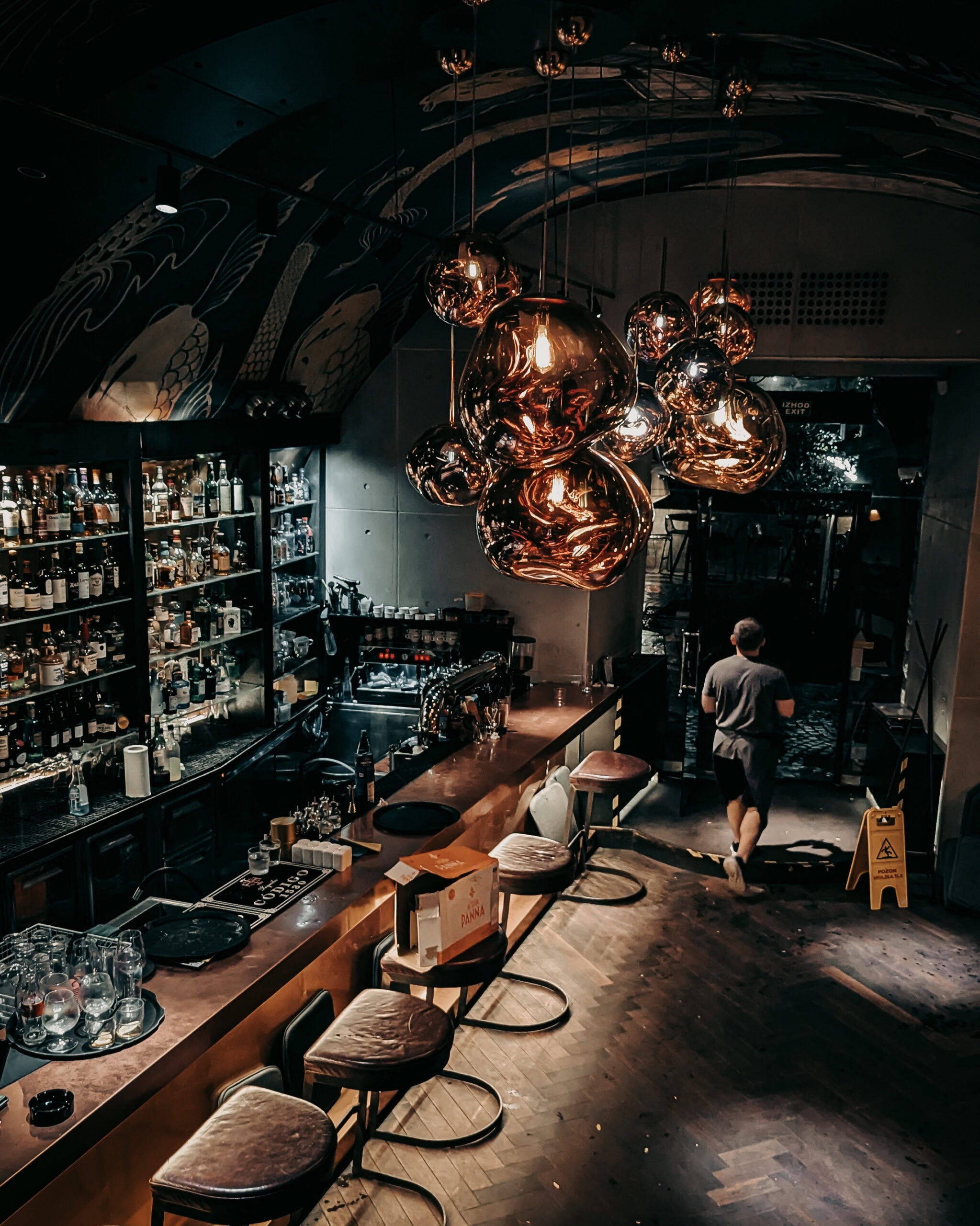
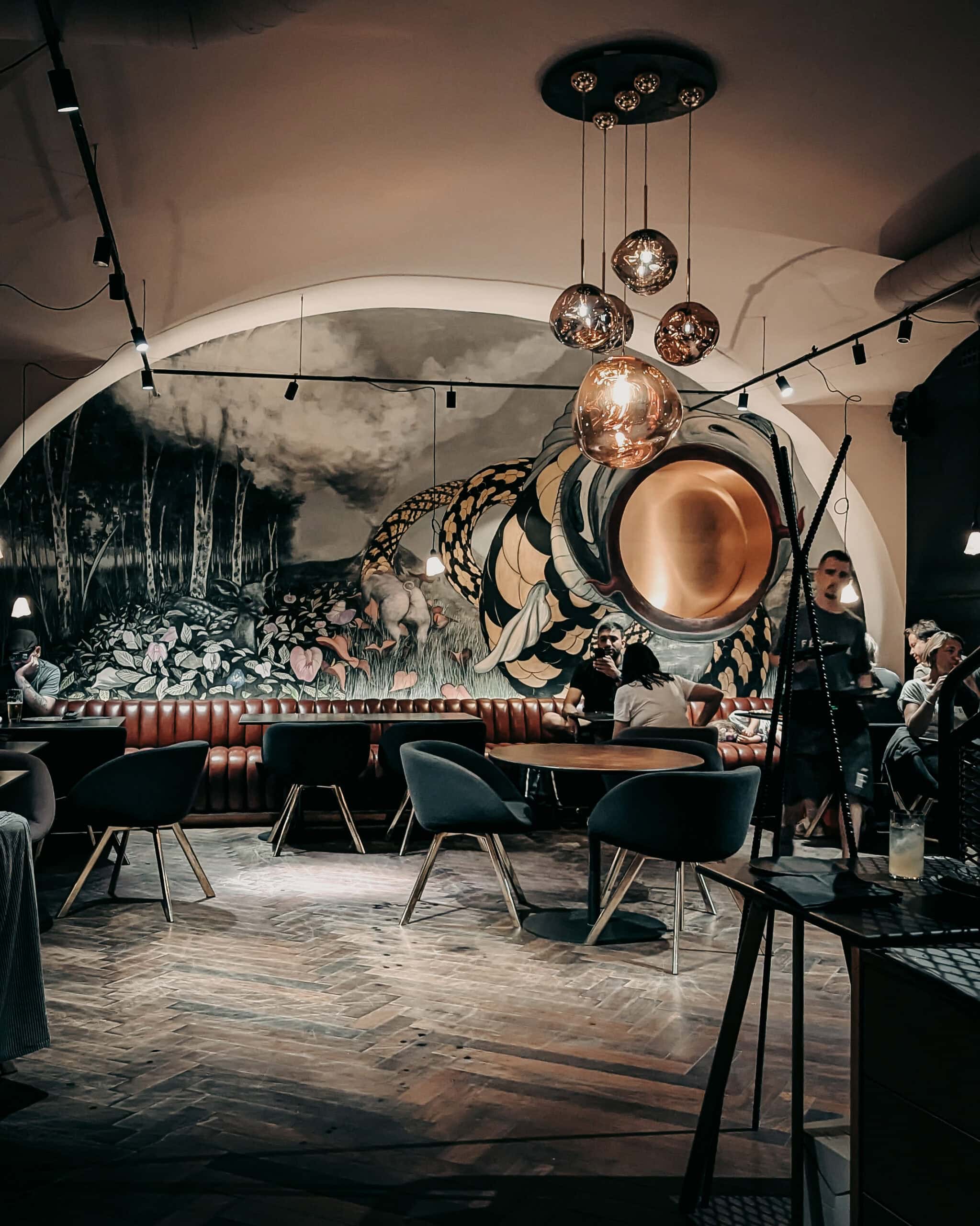
Eventually I found a spot for dinner, tucked away in a characterful little restaurant, and enjoyed a proper meal after a day that had mostly run on breakfast, adrenaline, and tunnel air. Sitting there with a drink, reflecting on the ride down from Passo Giau, the slick cobblestones, the fog at the summit, and the sudden heat of the Karawanken Tunnel, it struck me how much variety a single day of travel can pack in.
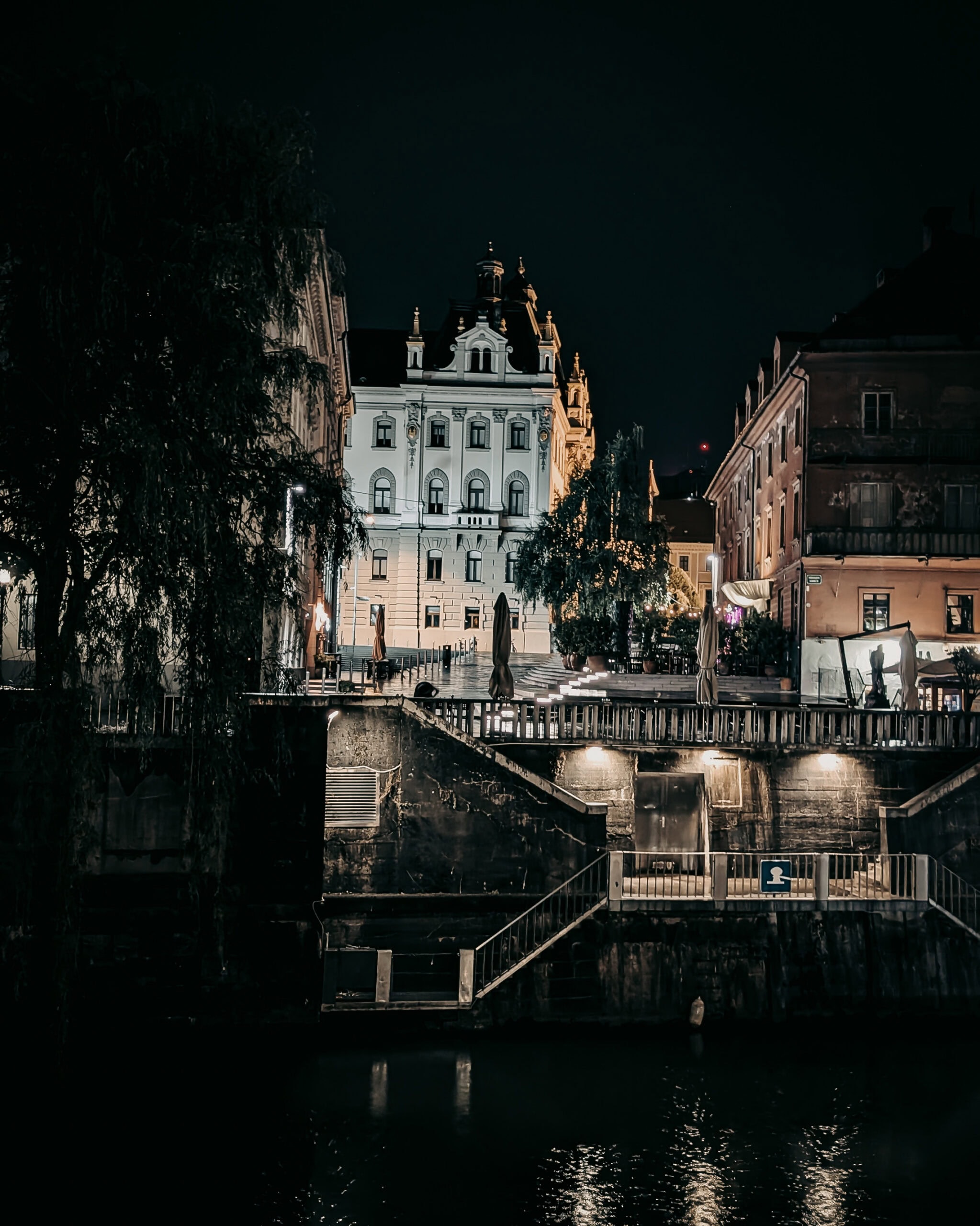
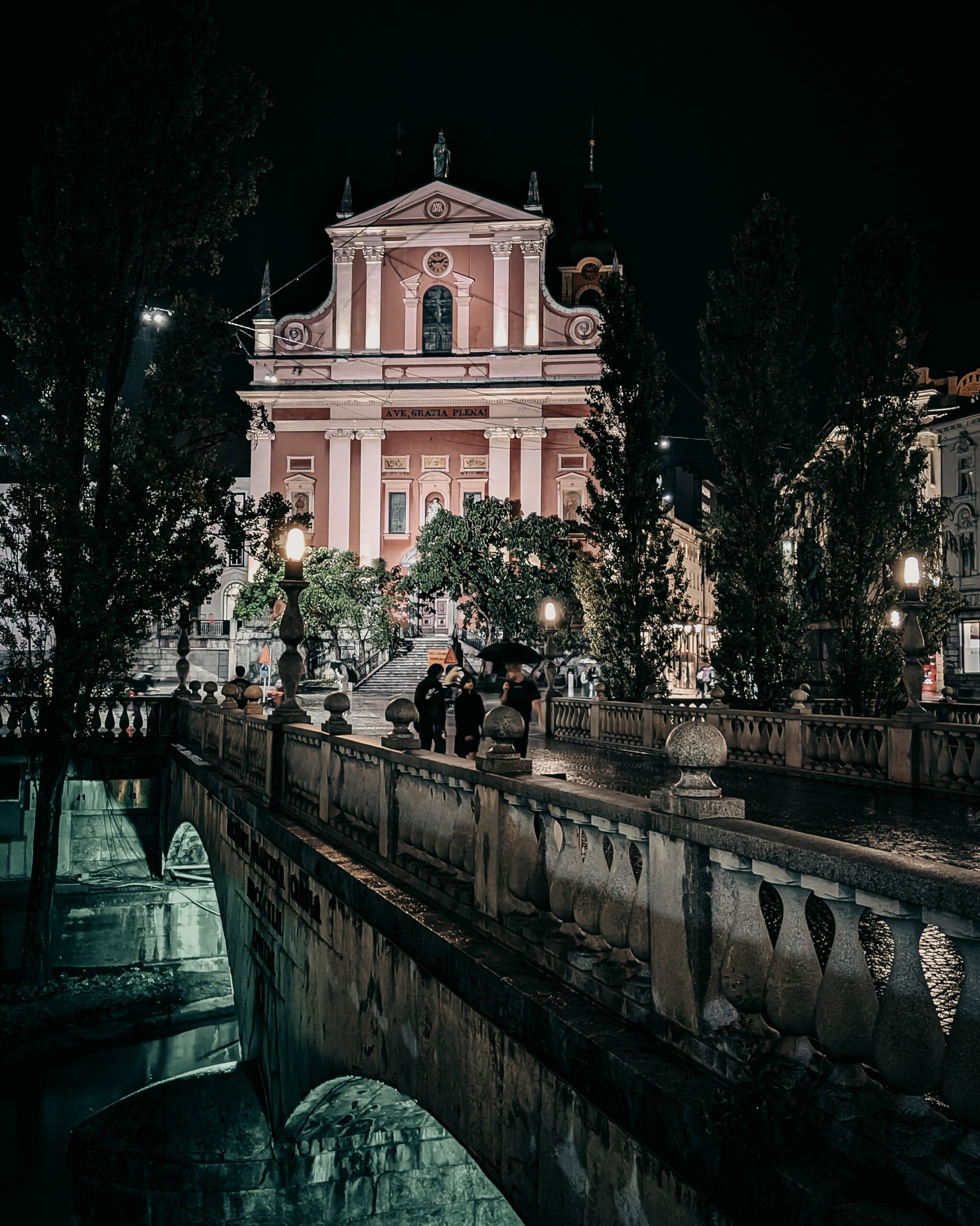
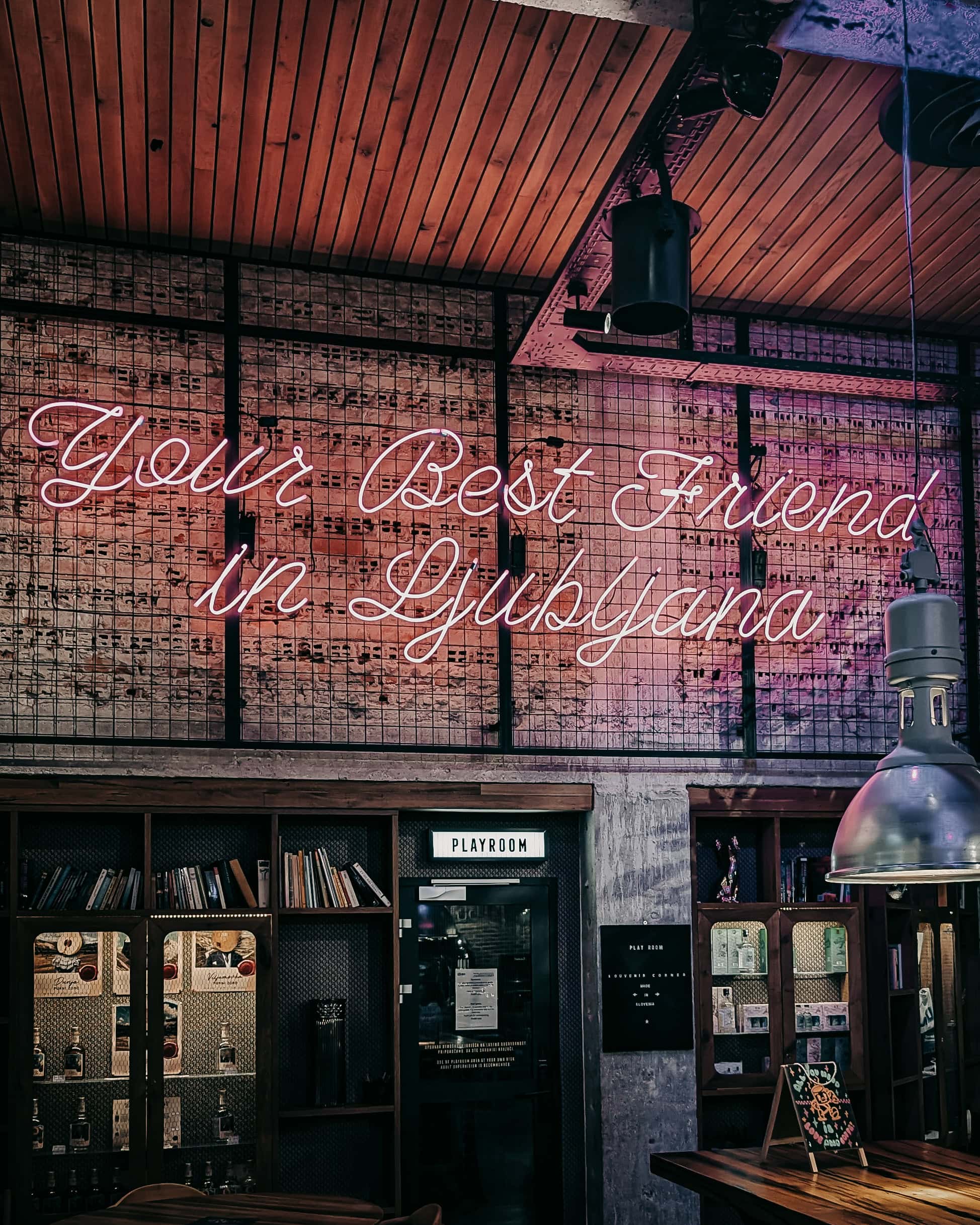
What struck me most, walking along the river with the rain finally behind me, was the contrast between the two halves of the day. A few hours earlier I’d been picking my way down wet cobblestones on a mountain pass in near-zero visibility. Now I was strolling past riverside bars with music drifting out into the warm evening air, surrounded by locals and travelers who all seemed entirely unbothered by the earlier weather that had made my morning so demanding. It’s one of the things I love most about long-distance touring: the way a single day can move you between such completely different worlds, and how quickly your body and mind adjust once you’re finally somewhere dry and comfortable.
Ljubljana earned itself a firm recommendation by the end of the night. It’s a city I’d happily return to, ideally with clearer skies and a bit more time to explore beyond the old town. But even as a one-night stop squeezed in after a shortened, weather-adjusted route, it turned out to be one of the most memorable stays of the trip so far.
With a full stomach, dry clothes for the first time in what felt like ages, and a genuinely great impression of the city, I headed back to the hotel ready for whatever the next stage of the journey would bring.