
A Quiet Night and a Good Breakfast in Ljubljana
After the wet and eventful ride over Passo Giau and through the Karawanken Tunnel the day before, Ljubljana turned out to be exactly the kind of stop I needed. The hotel bed was comfortable, the city outside was quiet, and for the first time in a few days I actually slept through the night without waking up to the sound of rain drumming on a tent or wondering whether the ground underneath me was slowly turning into a puddle. I woke up properly rested, in no particular hurry, and made my way down to breakfast with every intention of actually enjoying it rather than rushing through it on the way out the door.
There’s a certain luxury in a slow hotel breakfast on a trip like this: a good coffee, something proper to eat, and a few quiet minutes to sit with a map or a phone screen and look at the route for the day ahead. After days of packing up wet camping gear in a hurry, just sitting at a table with a cappuccino and no immediate pressure felt like a small reward in itself. I took my time, refilled the coffee once or twice, and let myself properly arrive in the day before getting back on the bike.
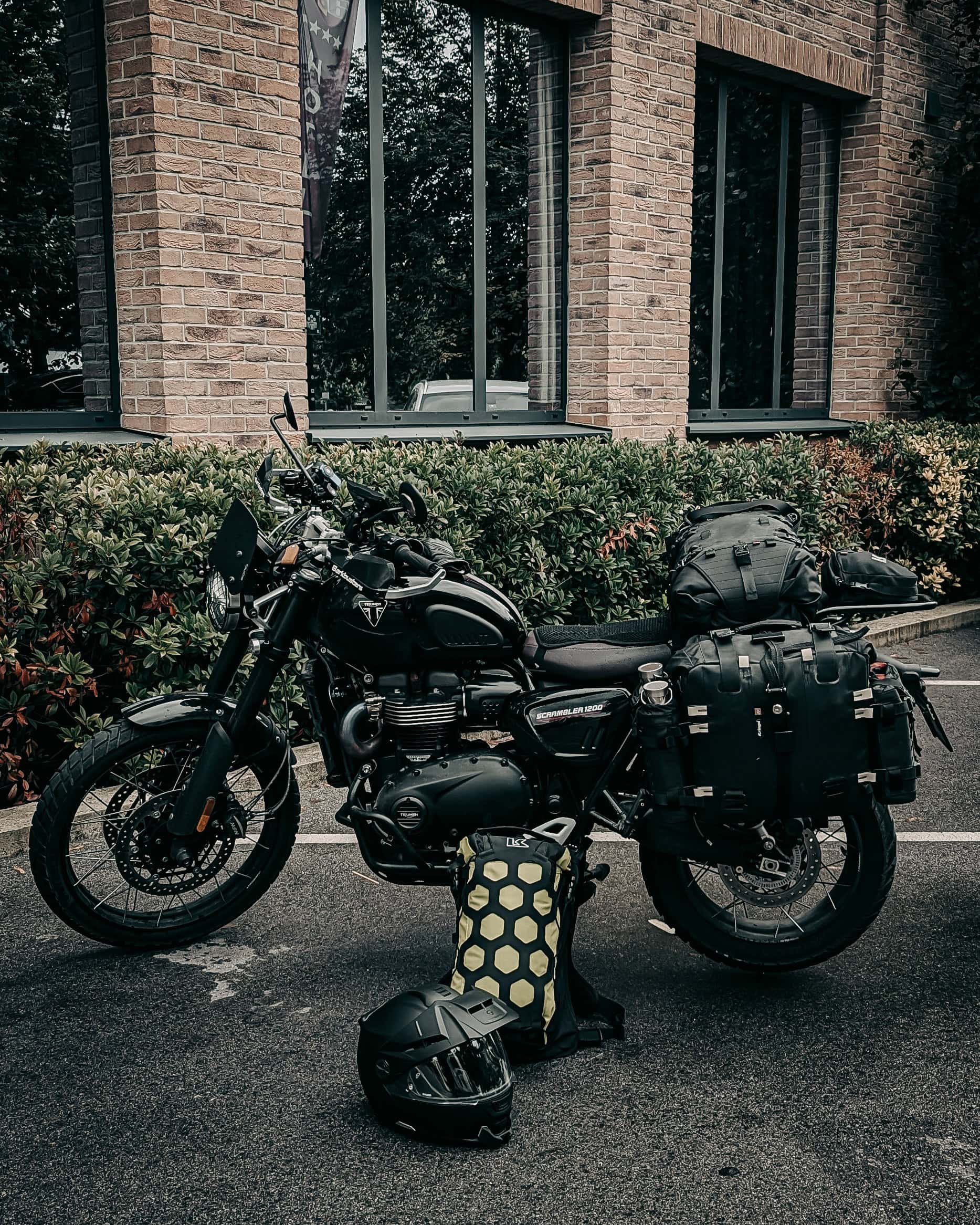
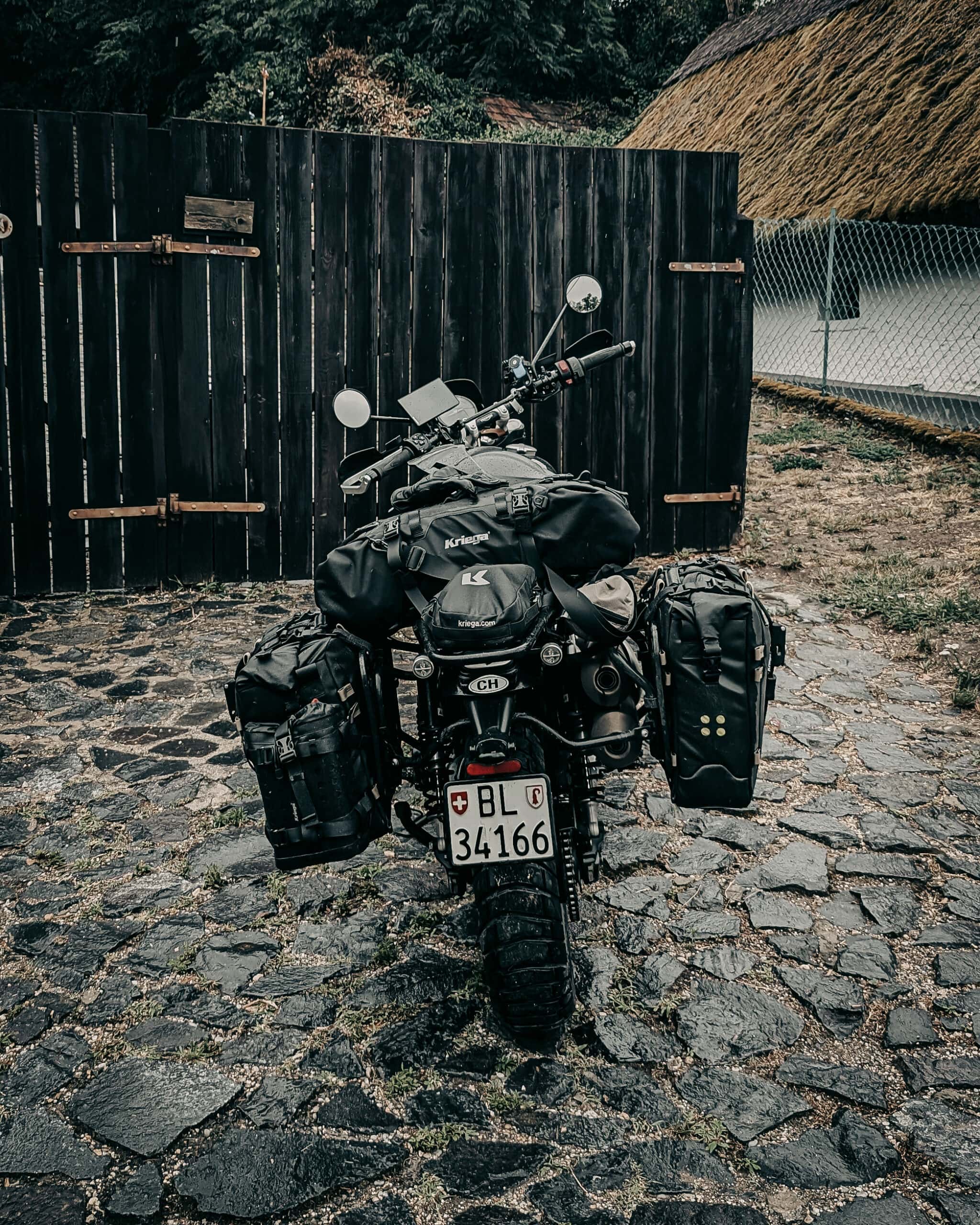
By the time I had packed the Triumph Scrambler 1200X and rolled out of Ljubljana, the heavy rain from the previous days had eased off considerably. There was still a light drizzle hanging in the air, the kind that dampens the visor without really soaking through your gear, but nothing close to the downpours that had followed me over the Dolomites and through Cortina. The forecast for the day, however, wasn’t especially encouraging: more rain was expected to move in later on, likely by afternoon, and after several consecutive days of getting properly drenched on mountain passes, I made a fairly easy decision – today was not going to be the day to go looking for more of it.
Choosing the Motorway Over the Mountains
Normally, a day like this would have me scanning the map for smaller roads, maybe a pass or two, something with a bit more character and curves than a motorway slab. But after Passo Giau’s slippery cobblestones, the fog near the summit, and the generally soggy state of my gear and tent, I made a conscious call: today, comfort and steady progress were going to win out over scenery and adventure. My destination was Lake Balaton in Hungary, and more specifically, the home of a good friend and colleague, Gusztáv, who had generously offered me a place to stay for the night together with his family at their holiday house right on the lake.
So instead of chasing curves through the Slovenian hills, which I’m sure would have been beautiful in different weather, I pointed the Scrambler toward the motorway and settled into a far more relaxed rhythm than the previous days had allowed. There’s something almost meditative about a long motorway stretch after a few intense, high-attention days in the mountains. No need to constantly read the road surface for gravel, cobblestones, or oil. No hairpins demanding full concentration through blind corners. Just steady riding, the engine humming along at a comfortable cruising speed, and the kilometers ticking by on the dash.
It gave me plenty of time to think back over the trip so far – Passo Giau in the rain, the fog rolling in near the top, the surreal heat inside the Karawanken Tunnel, and Ljubljana’s charming, walkable old town from the evening before. It also gave me time to look forward to the day’s real highlight: seeing a familiar face again after days of solo riding, camping, and improvising around the weather.
A Vignette Surprise at the Hungarian Border
Crossing from Slovenia into Hungary used to mean pulling up at a booth right at the border and buying your vignette before continuing onto the motorway network. That’s clearly not how it works anymore, at least not at the crossing I used. As I rode across, I noticed there was no stop, no booth, no barrier of any kind – just the border sign, a brief change in road markings, and then straight onto the Hungarian motorway as if nothing had happened.
I hadn’t researched the current toll system in enough detail beforehand, simply assuming the older setup with a physical vignette point was still in place, and figured I could sort out the paperwork somewhere down the line, maybe at a fuel stop. That assumption turned out to be a fairly costly one. Hungary has since switched over to a fully automatic, camera-based motorway vignette system: cameras positioned along the motorway read your license plate as you pass, and if there’s no valid vignette registered against that plate at that moment, the system flags it automatically, no human interaction required at all.
I only properly understood this later, when I checked the details of the trip that evening, by which point the fine had already been triggered. In the end, I had to pay somewhere around 80 to 100 Euros for the missing vignette – not exactly the way I wanted to start my time in Hungary, and a fairly blunt reminder of how quickly small administrative details can turn into real costs when you’re crossing borders on a bike. It’s the kind of thing that’s easy enough to avoid with five minutes of research beforehand – checking the relevant national road authority’s website, or even a quick search the evening before a border crossing – and a lesson I’ll be taking with me for the next time I plan a route through Hungary: sort the vignette out online before you even reach the border, not after.
Landscapes on the Way to Lake Balaton
Slightly annoyed with myself but not about to let an administrative hiccup ruin the day, I continued on toward Lake Balaton. Hungary’s countryside rolled by in shades of green and gold, wide open fields and gentle rolling hills replacing the dramatic, jagged peaks of the past few days. It’s a genuinely different kind of riding experience out here – less about conquering switchbacks and hairpins, more about simply covering ground and taking in a landscape that feels distinctly different in character from the Alps, flatter, softer, and quietly beautiful in its own way.
Towards the end of the motorway stretch, I left the highway behind and dropped down onto smaller country roads heading toward the lake itself, weaving through small villages with their distinctive rooftops, past roadside stalls, and eventually past vineyards climbing the hillsides above the water. You could feel the landscape changing as Balaton got closer – more greenery, more wine country charm, and every so often a glimpse of water in the distance between the trees.
As I got closer to the lake, the sky darkened again and it started to rain, hard and suddenly, the kind of rain that arrives almost without warning and immediately soaks the road surface. Hungary has something of a reputation, at least among riders I’ve spoken to over the years, for having a fair number of older cars on the road that tend to leak oil onto the tarmac. When heavy rain hits, that oil mixes with the water sitting on the road and creates an extremely slick, almost invisible film – and this effect is at its worst exactly where you’d least want it: in roundabouts, where cars are constantly braking, accelerating, and turning through the same narrow patch of road, grinding that oily film deeper into the surface with every pass.
A Slippery Roundabout Just Before the Finish Line
I was well aware that conditions had turned properly treacherous and had already slowed down noticeably, sensing that things felt greasier than usual under the tires even before I reached the roundabout in question. Coming into it, not far at all from my destination for the day, I was riding carefully and deliberately, certainly under 30 km/h, exactly the kind of speed you’d expect to be safe in a roundabout in the rain. And yet, without any dramatic warning, the bike simply slid out from underneath me.
One moment I was upright and rolling steadily through the roundabout, the next I was down on the wet asphalt, watching the Scrambler slide a short distance away from me across the road surface. It was the first time in all my years of riding that I’ve actually gone down on a motorcycle, and there’s a strange, almost slow-motion clarity to that particular moment – the noise, the sudden change in perspective from sitting upright to lying on the ground, and then the immediate mental checklist of whether anything actually hurts.
Thankfully, everyone else navigating the roundabout at that moment was also moving cautiously given the conditions, so there was no danger at all from other traffic reacting too slowly or too late. Within moments, another rider had already stopped, gotten off his own bike, and come over to check whether I was okay and help me lift the Scrambler back up onto its wheels. He mentioned, almost in disbelief himself, that even walking across the same patch of road in ordinary shoes, he could feel the surface sliding out from underneath him – confirming that this wasn’t simply bad luck or a mistake on my part, but genuinely treacherous conditions created by that combination of rain and leaked oil.
Thanks to the engine guard bars fitted to the Scrambler, and the fact that I was moving so slowly when it happened, the damage was limited to a handful of small scratches on the crash bars and some bodywork – nothing serious, and certainly nothing that stopped me from continuing the ride. It was, all things considered, a very lucky low-side: slow speed, quick help from a fellow rider, and a bike built with exactly this kind of situation in mind. Still, it’s the sort of moment that stays with you for a while afterward, a sharp reminder of how quickly things can change even when you think you’re already riding cautiously and doing everything right.
Arriving at Gusztáv’s Place
A little shaken but otherwise completely fine, I picked myself and the bike up, dusted off, checked that nothing critical was damaged, and rode the last short stretch to Gusztáv’s holiday house at Lake Balaton. He is the first friend I had planned to visit as a proper, deliberate stop on this whole trip, and the reunion did not disappoint in the slightest – he was genuinely thrilled to see me roll in, motorcycle a bit scuffed up but rider fully intact and in one piece.
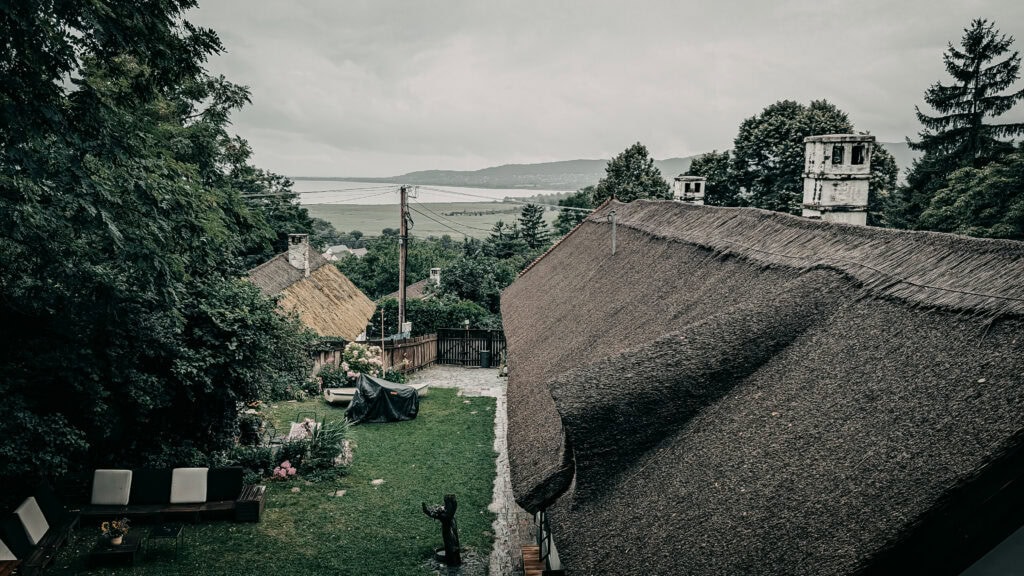
I got to meet his family for the first time that afternoon, and there’s something quietly special about arriving somewhere as a slightly worn-out, rain-soaked, and by that point mildly bruised traveler, and being welcomed straight into someone’s home life so warmly. After the intensity of the day – the unexpected border fine, the fall in the roundabout, the general grind of a long, wet ride – it was exactly the kind of soft landing I needed. Their holiday house sits in a village up above the lake, surrounded by the kind of old thatched-roof buildings that give this part of Hungary so much of its distinctive character, with a view stretching out over the surrounding vineyards and down toward the water itself.
Dinner Among the Vineyards
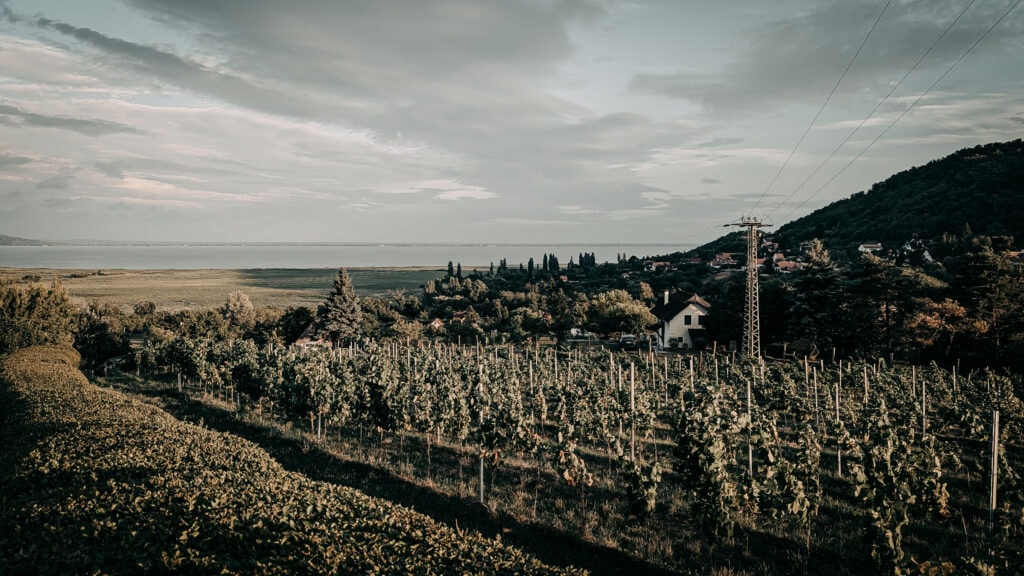
Later that evening, once I’d had a chance to shower, change, and let the adrenaline of the day properly wear off, Gusztáv and his family took me up into the vineyards surrounding the village, to a restaurant tucked right among the vines with a wonderful view over the lake stretching out below. It’s the kind of setting that makes you forget about a border fine and a scuffed crash bar fairly quickly, sitting outside as the light started to soften over the water and the rows of vines.
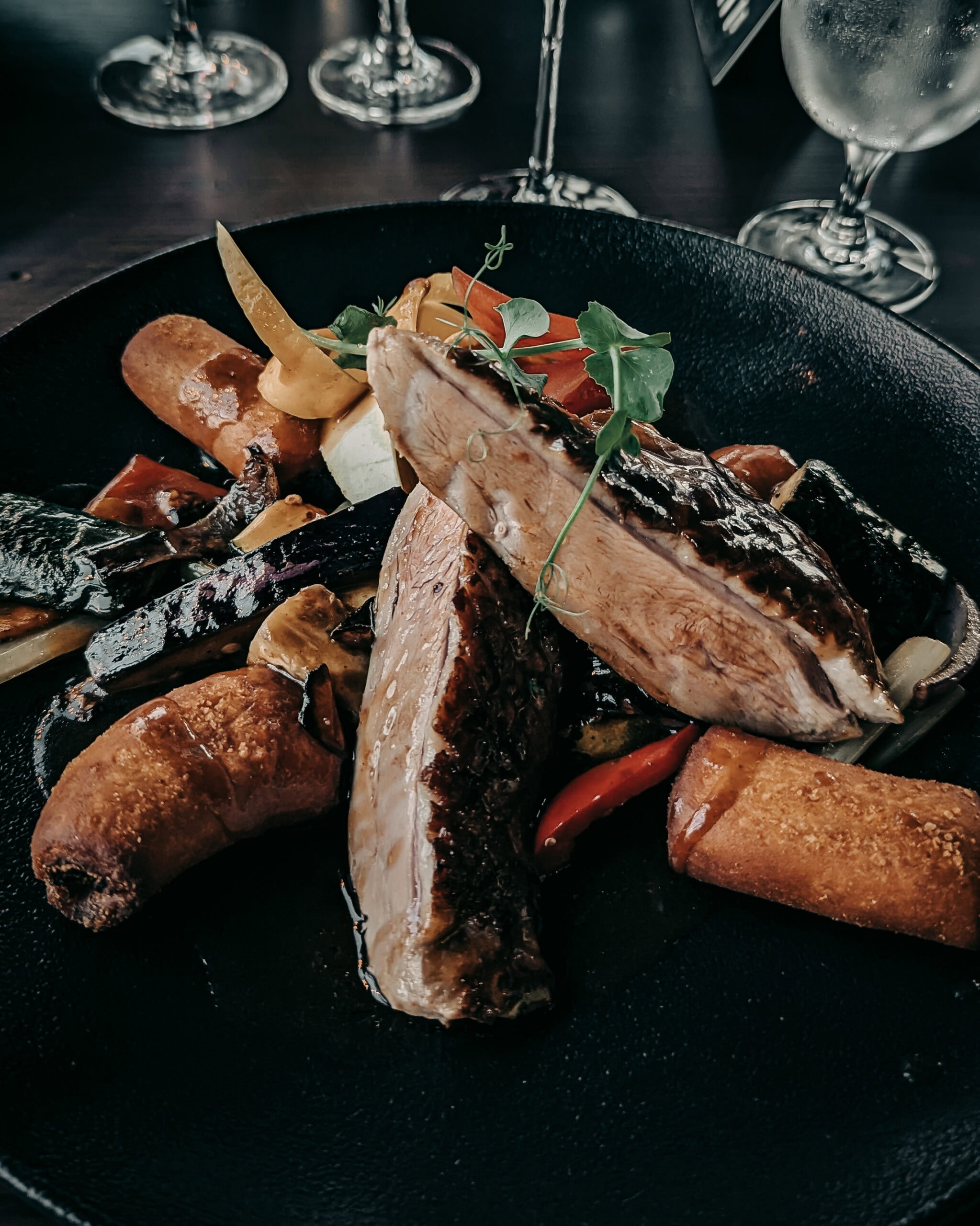
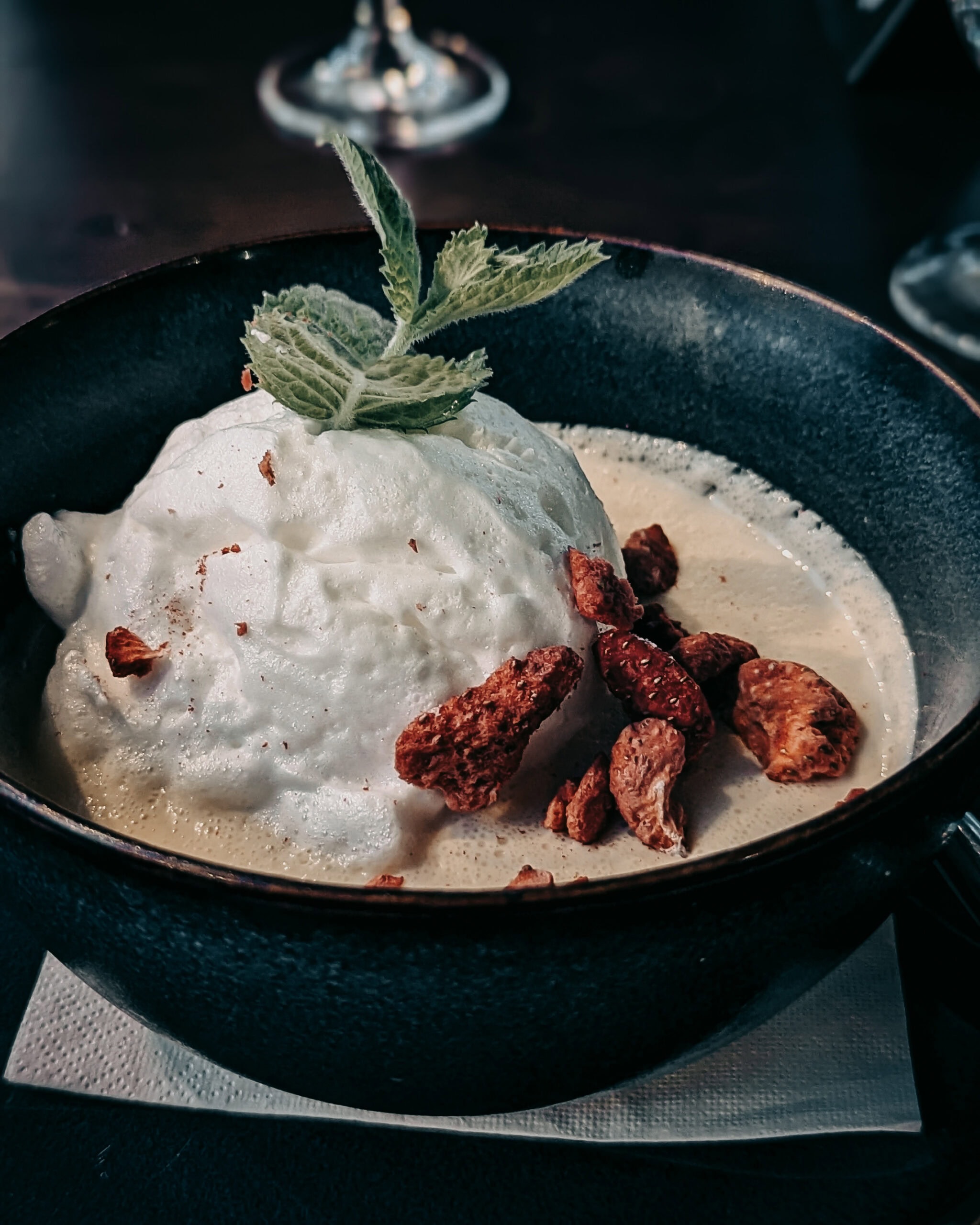
We settled in for what turned out to be an outstanding dinner. I ended up with something built around duck, rich and expertly prepared, served alongside a beautifully arranged plate of vegetables, paired later with a genuinely impressive dessert to close things off. Good food, warm company, and a glass of local wine while looking out over the vineyards as the light faded across Balaton – it’s hard to imagine a much better way to close out a day that had started so calmly with a slow breakfast and then thrown a bit of everything at me in between.
A Night in an Old Hungarian Farmhouse
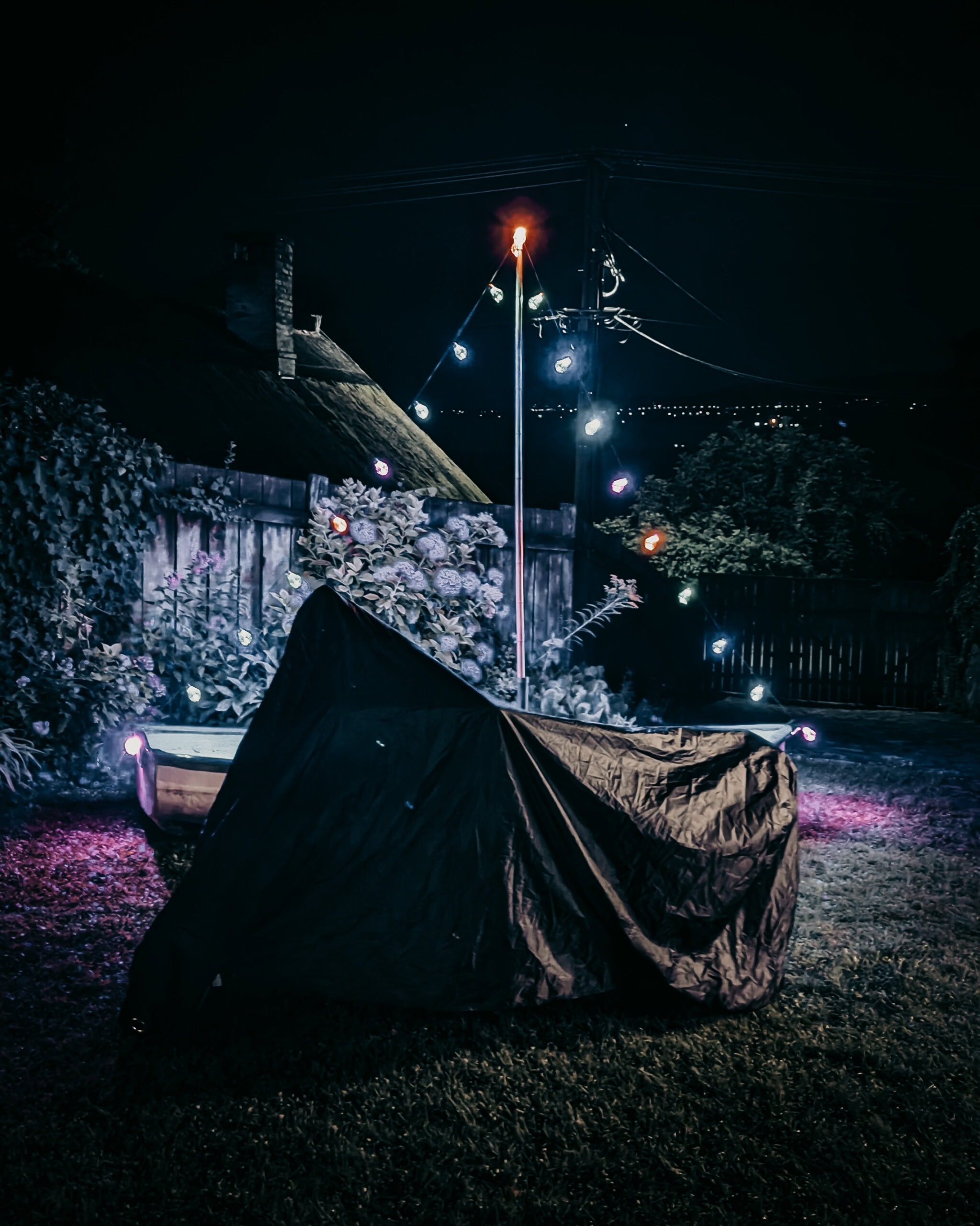
That night, I stayed in one of the old, traditional buildings on the property – a proper old Hungarian farmhouse with thick stone walls and thatch overhead, the kind of place that’s clearly been standing for generations and carries real history in every corner of it. After several tent nights over the previous days, sleeping under an actual solid roof, in an actual bed, inside a house with this much character, felt like a genuine luxury rather than something to take for granted.
It was the perfect place to let the day properly settle in my head: the relaxed, unhurried start in Ljubljana, the unplanned detour into Hungarian toll bureaucracy, the low-side in the roundabout that could have gone a lot worse than it did, and finally, the warmth of being welcomed by old friends at the very end of it all. Lying there that night, listening to the quiet of the village outside, it struck me just how much a single day of riding can contain.
Looking back, Day 4 turned out to be one of those days that reminds you why solo motorcycle touring is never quite as predictable as you plan it to be. You can plot the route carefully, check the weather forecasts, and choose the supposedly “safe” motorway option over the mountain passes – and still end up picking yourself up off wet Hungarian asphalt an hour later, having just paid an unexpected fine at the border. But it’s also a day that ended with duck, good wine, a beautiful vineyard, and a friend’s family opening their home to a slightly bruised but very grateful traveler. Tomorrow, it’s time to see a bit more of what Lake Balaton and the surrounding wine region have to offer, before the journey continues onward.